

Long before I learned keyframes in Nuke, people were drawing twenty-four pictures for every second of film. This is the history of animation: spinning discs and paper dinosaurs, Mickey and Snow White, Bugs Bunny and Astro Boy, the xerox machine and the first computer-animated hand, up to Toy Story, Spider-Verse and Flow. It comes with films to watch, the books worth reading, and a small lab where you can break the rules of a bouncing ball yourself.
Index
- 01. Start here: two hundred years of moving drawings
- 02. Before cinema: spinning discs and slotted drums
- 03. The first animated films: Blackton, Cohl, McCay
- 04. Cels, rotoscopes and the first studios
- 05. Lotte Reiniger and the oldest surviving feature
- 06. Sound, colour and a mouse
- 07. Snow White and the multiplane camera
- 08. The 12 principles, and a bouncing ball lab
- 09. Fleischer, Warner Bros. and MGM
- 10. UPA, television and limited animation
- 11. The xerox line: 101 Dalmatians
- 12. Stop motion: beetles, Kong, clay and 3D printers
- 13. Anime: Tezuka, Akira and Studio Ghibli
- 14. The Disney renaissance and the digital ink-and-paint
- 15. Computers learn to animate: from a hand to Toy Story
- 16. When cartoons meet live action: Roger Rabbit
- 17. New looks: Paperman, Spider-Verse, Arcane, Flow
- 18. Every Oscar for Best Animated Feature
- 19. Old tricks, new names
- 20. Game: which came first?
- 21. Videos to watch
- 22. Books on the history of animation
- 23. Sources and image credits
01. Start here: two hundred years of moving drawings
Animation is the art of making pictures that do not move look alive. The trick is always the same, from a cardboard disc of 1833 to a Pixar render farm: show the eye a series of slightly different images fast enough, and the brain fills the gaps. What changed is how the images are made. By hand, on paper and then on transparent cels; with puppets and clay moved one frame at a time; with photocopiers, then computers, then computers that try to look hand-drawn again.
Two films to start with: a short history, and a guide to the styles that came out of these two centuries. For the long version, the full documentary The Story of Animation plays only on YouTube.
 A brief history of animation
 The history of animation: the styles explained (StudioBinder)
Then take the time machine: drag the slider, or press play, and travel from a spinning disc to the Oscar of 2026. Every stop links to its chapter.
02. Before cinema: spinning discs and slotted drums
The first animations were toys for the Victorian living room, and all of them play with the same idea: a sequence of drawings, a way to see only one at a time, and speed.
- Thaumatrope (1825): a disc with a bird on one side and a cage on the other. Spin it on its strings and the bird is in the cage. Two images become one: the first composite you could hold in your hand.
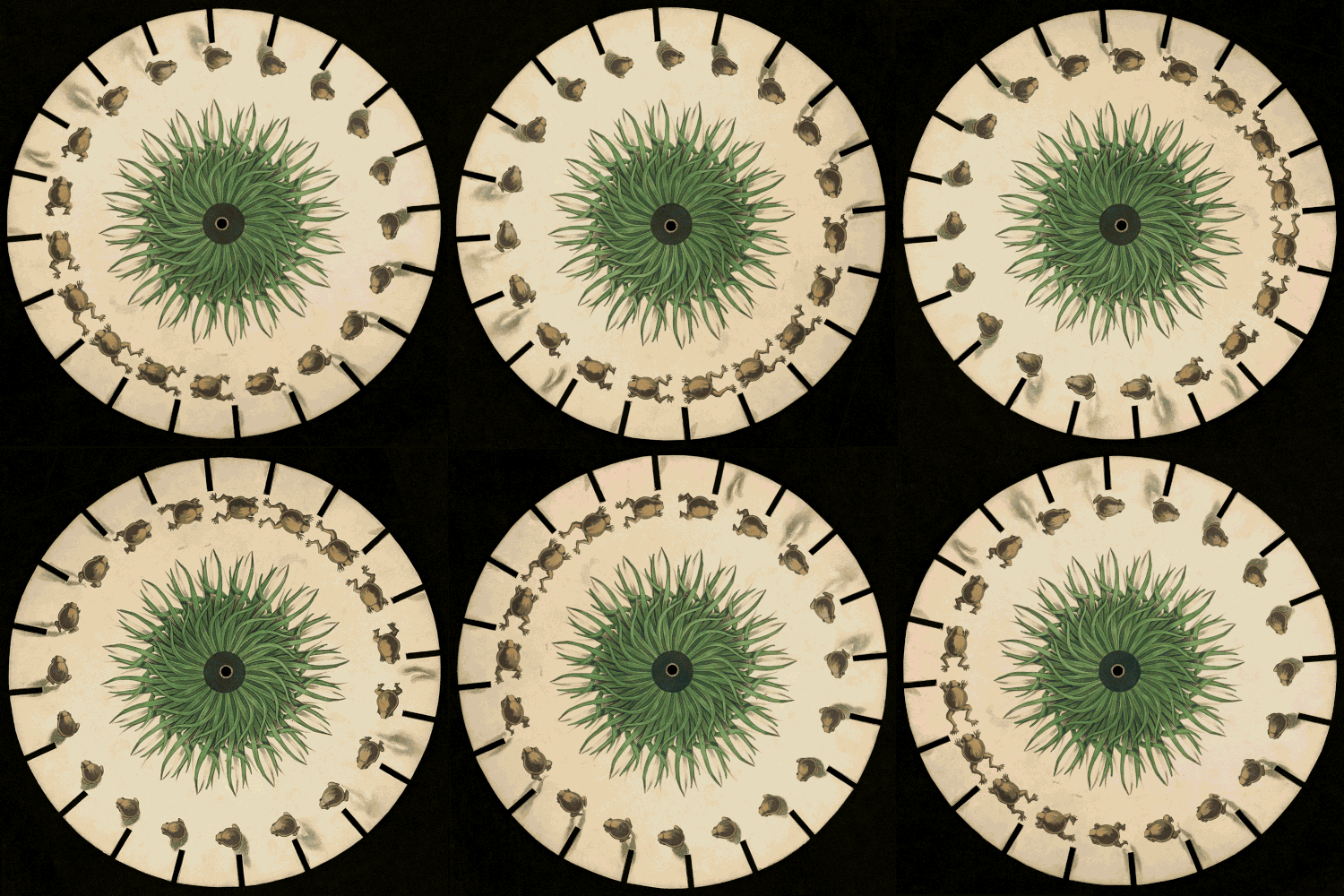
- Phenakistiscope (1833): the Belgian physicist Joseph Plateau drew a cycle of figures around a disc with slits. You spin it in front of a mirror and look through the slits: each slit shows one drawing for an instant, and the figures move. In Vienna, Simon Stampfer built the same idea at the same time.
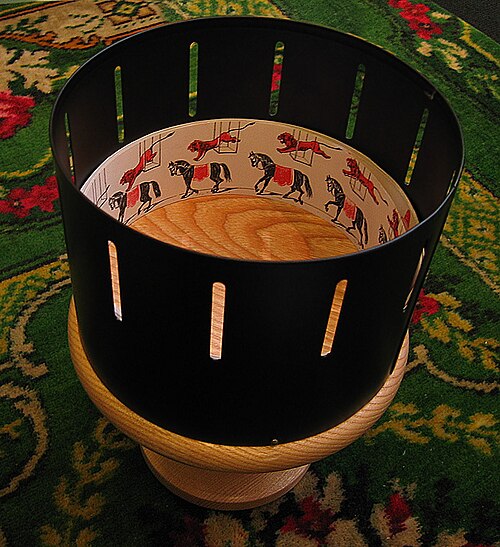
- Zoetrope (1834): William Horner put the drawings on a strip inside a slotted drum, so several people could watch at once. The name zoetrope came in the 1860s, when it became a toy sold in the shops.
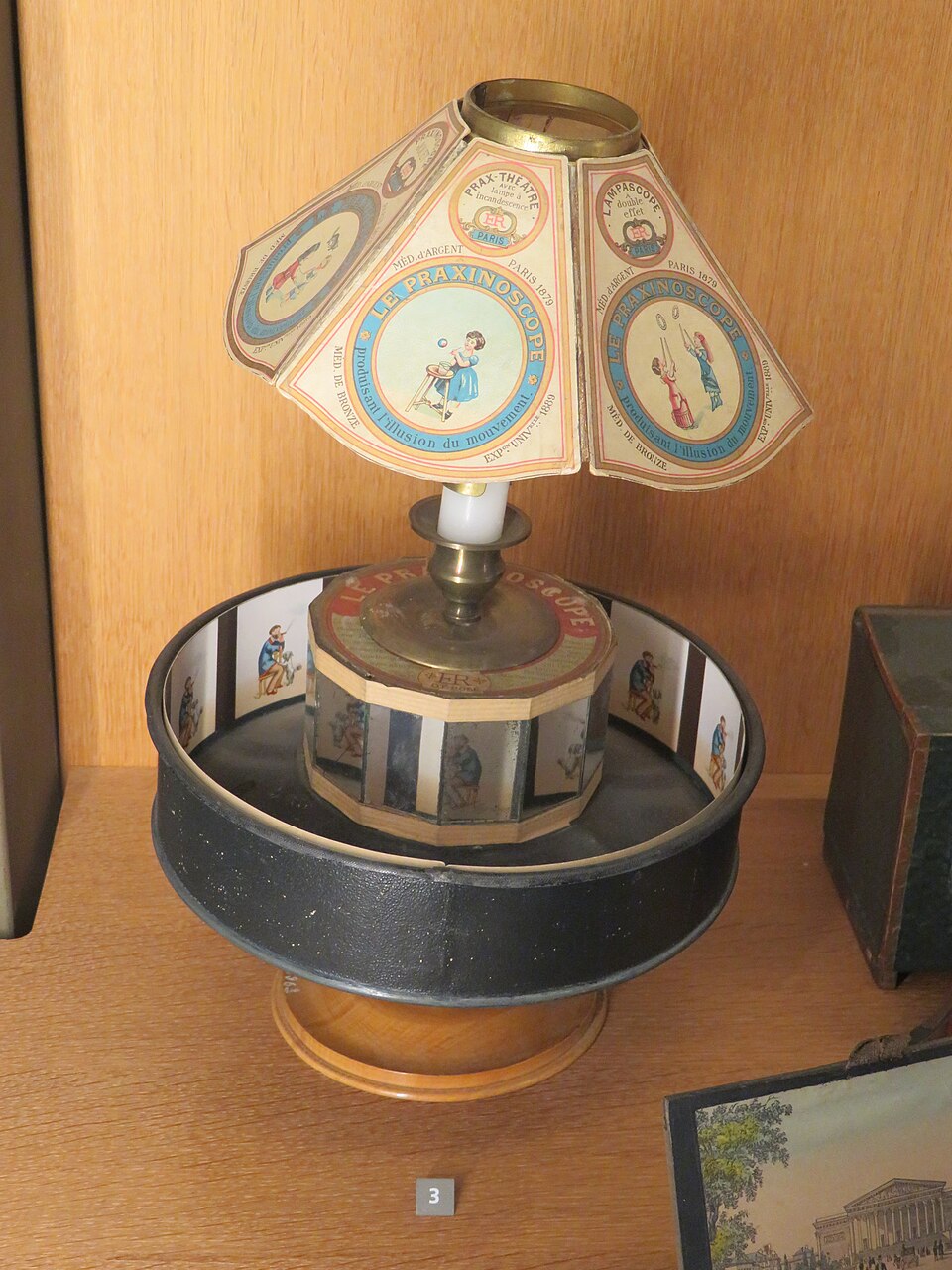
- Praxinoscope (1877): the Frenchman Émile Reynaud replaced the slits with a ring of mirrors in the middle of the drum. The image was brighter and steadier.
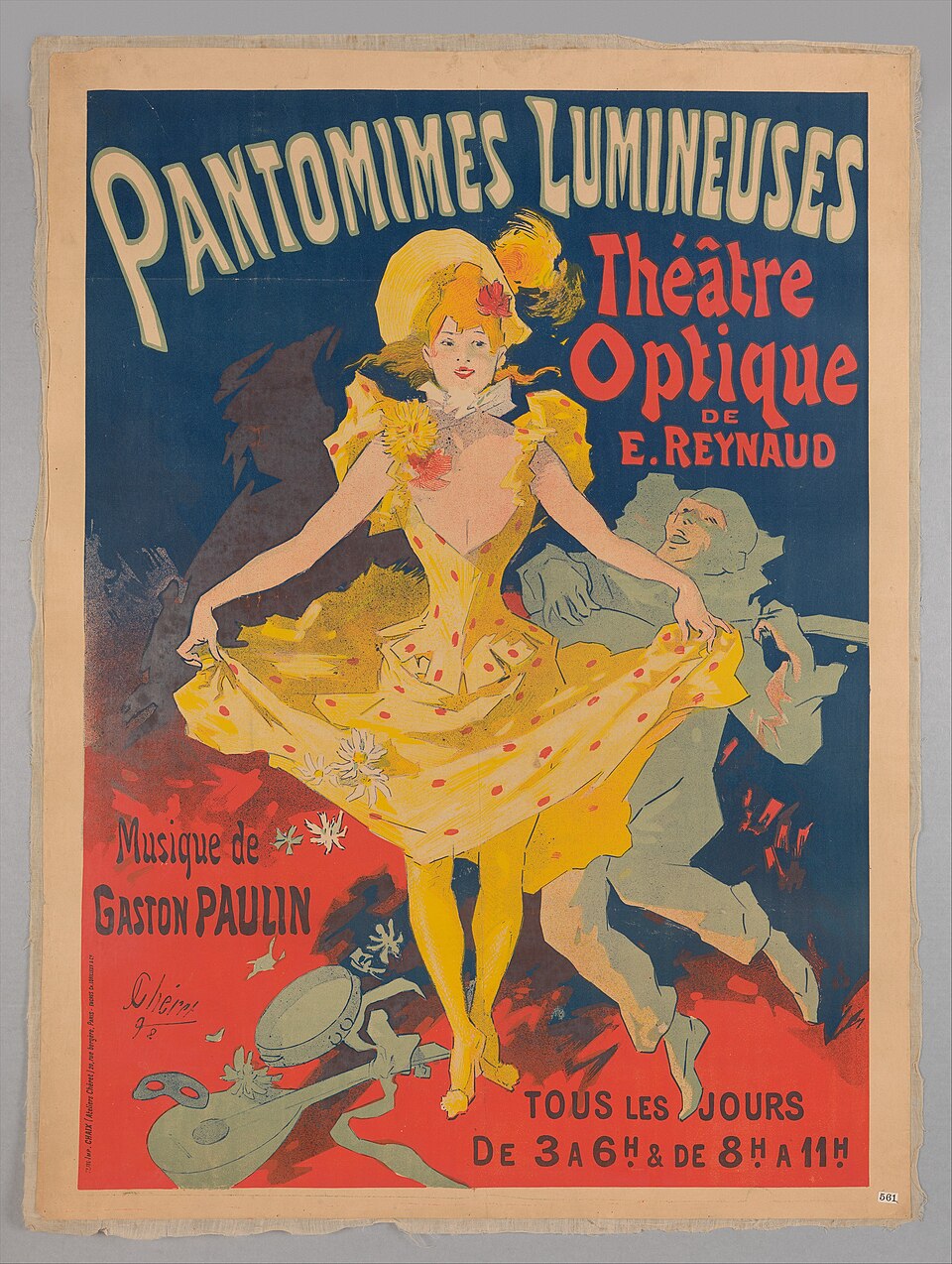
- Théâtre Optique (1892): Reynaud's big machine projected long bands of hand-painted pictures on a screen at the Musée Grévin in Paris. His Pantomimes Lumineuses, such as Pauvre Pierrot, had stories, music and a projectionist who could play scenes forwards and back. That was three years before the Lumières' first paid screening.
03. The first animated films: Blackton, Cohl, McCay
Once there was a film camera, someone had to realise that it could shoot one frame at a time. In 1906 J. Stuart Blackton, a cartoonist working with Edison's rival Vitagraph, made Humorous Phases of Funny Faces: chalk faces on a blackboard that roll their eyes and blow smoke, plus a few cut-out pieces moved between frames.
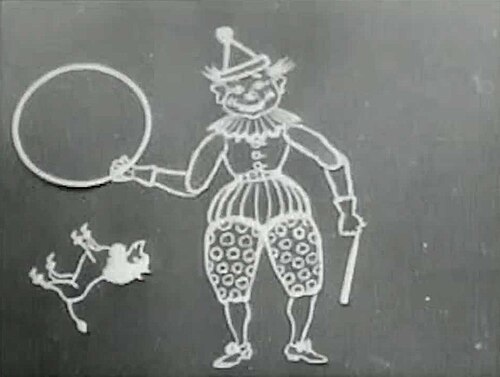
In Paris, in 1908, Émile Cohl made Fantasmagorie: about seven hundred drawings, two minutes of a stick figure that turns into a bottle, a flower, an elephant. Cohl drew in black on white paper and printed the film in negative, so the lines look like chalk. It is often called the first fully animated film.
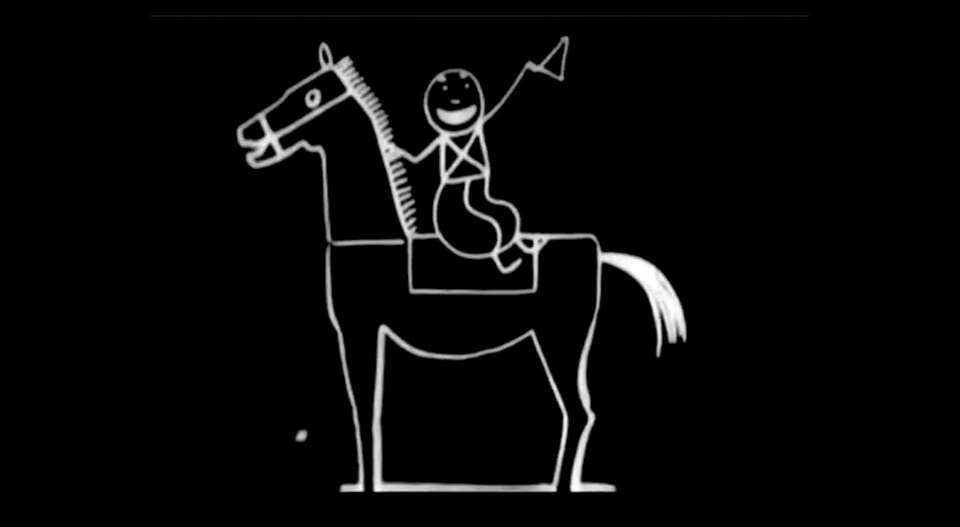
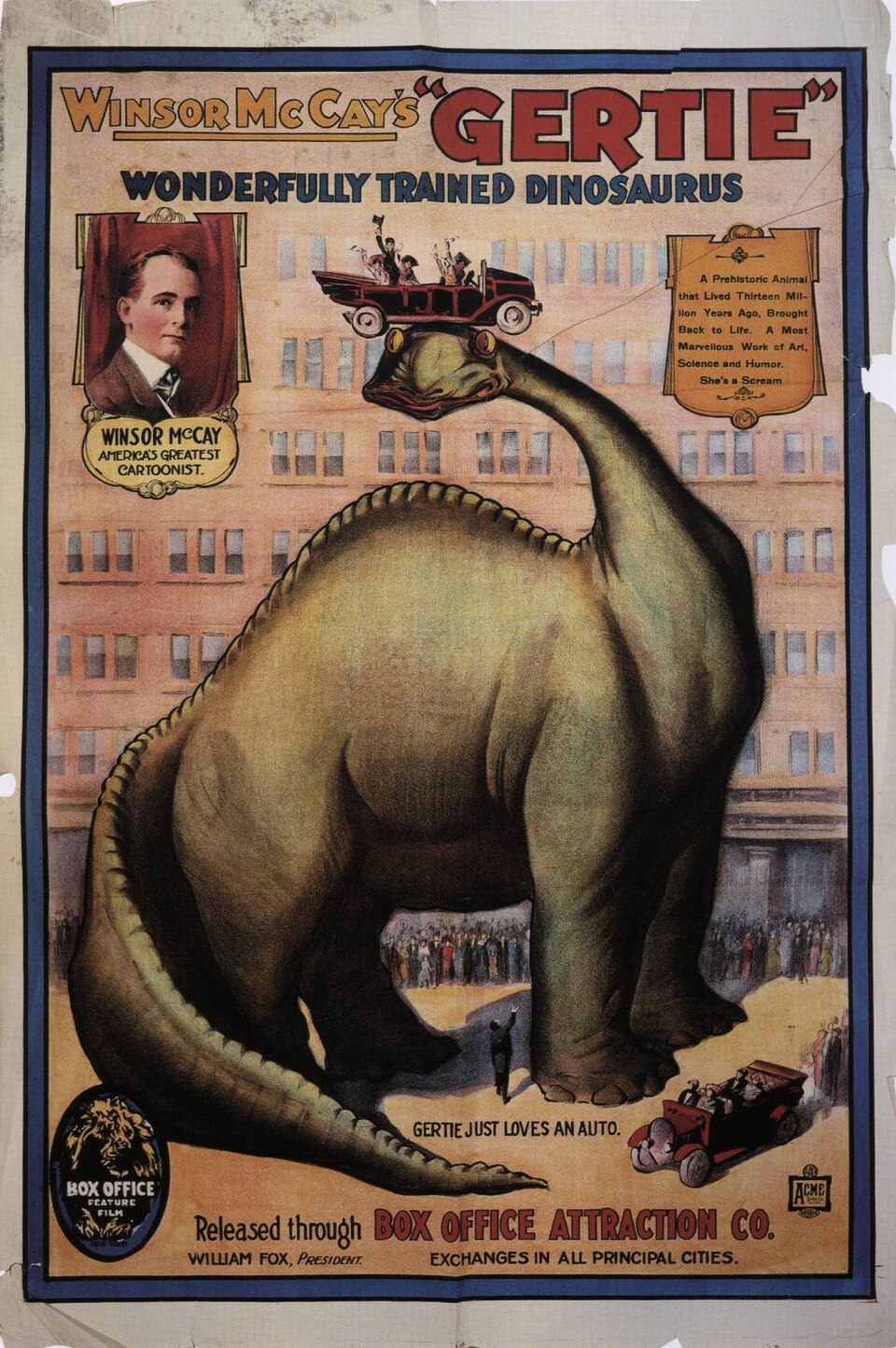
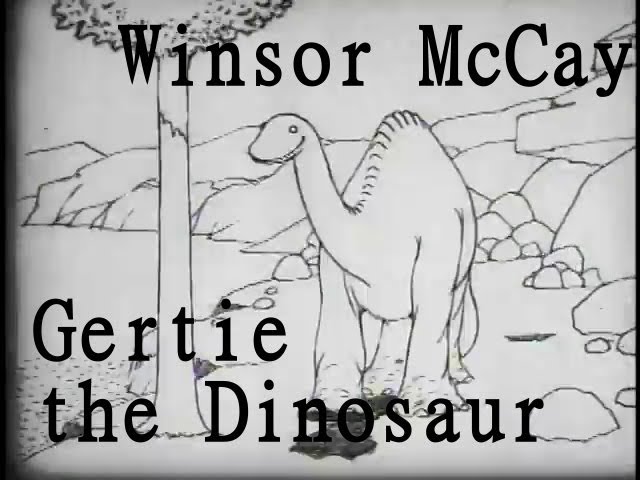
In America the newspaper cartoonist Winsor McCay took it further. After Little Nemo (1911) and How a Mosquito Operates (1912) came Gertie the Dinosaur (1914). McCay toured it in vaudeville: he stood next to the screen, gave Gertie orders, threw her a pumpkin, and at the end walked behind the screen and "climbed" onto her back. Gertie breathes, sulks and cries: she is the first cartoon character with a personality. To keep the background steady across thousands of drawings, McCay used registration marks and drew the key positions first, then the ones in between. Animators still work that way.
 Gertie the Dinosaur (Winsor McCay, 1914)
04. Cels, rotoscopes and the first studios
McCay drew every frame complete, background included. To make cartoons every week, the new studios in New York needed to stop redrawing what doesn't move. Two patents changed everything:
- The cel (1914-15): Earl Hurd patented drawing the moving characters on transparent sheets of celluloid, laid over one painted background. John Randolph Bray patented other shortcuts, and the two pooled their patents. A cel is a layer with an alpha channel, sixty years before Photoshop.
- The rotoscope (1915, patented 1917): Max Fleischer projected live-action film, one frame at a time, onto a glass pane, and traced it. His brother Dave, in a clown suit, became Koko the Clown of Out of the Inkwell, the series where a cartoon climbs out of the animator's ink bottle. Every roto artist today does a version of Fleischer's job.
- The assembly line: head animators drew the key poses, assistants and "inbetweeners" filled the gaps, inkers traced the lines onto cels, painters filled the colours on the back. That division of work lasted until the computers arrived.
The first star was Felix the Cat, from the studio of Pat Sullivan, animated mostly by Otto Messmer. In Feline Follies (1919) and the hundreds of shorts that followed, Felix walks with his hands behind his back while thinking, turns his tail into a question mark, and was the most famous cartoon in the world, until a mouse arrived.
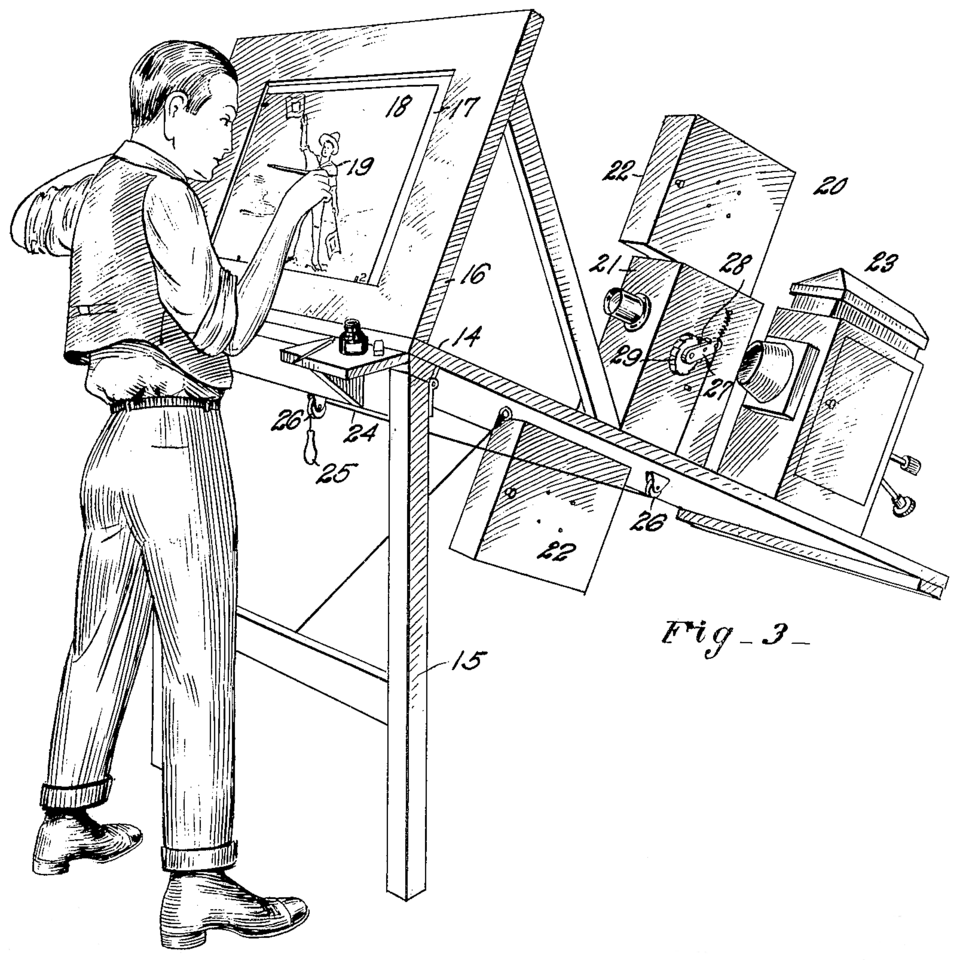
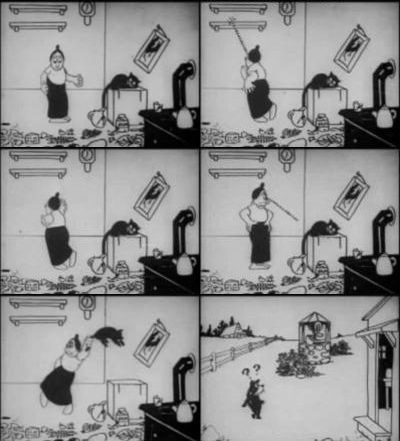
Rotoscoping and glass shots are also the start of visual effects: read about them in my history of VFX.
05. Lotte Reiniger and the oldest surviving feature
The first animated feature was El Apóstol, made in Argentina by Quirino Cristiani in 1917: a political satire with cut-out figures. Its only copy burned, and it is lost.
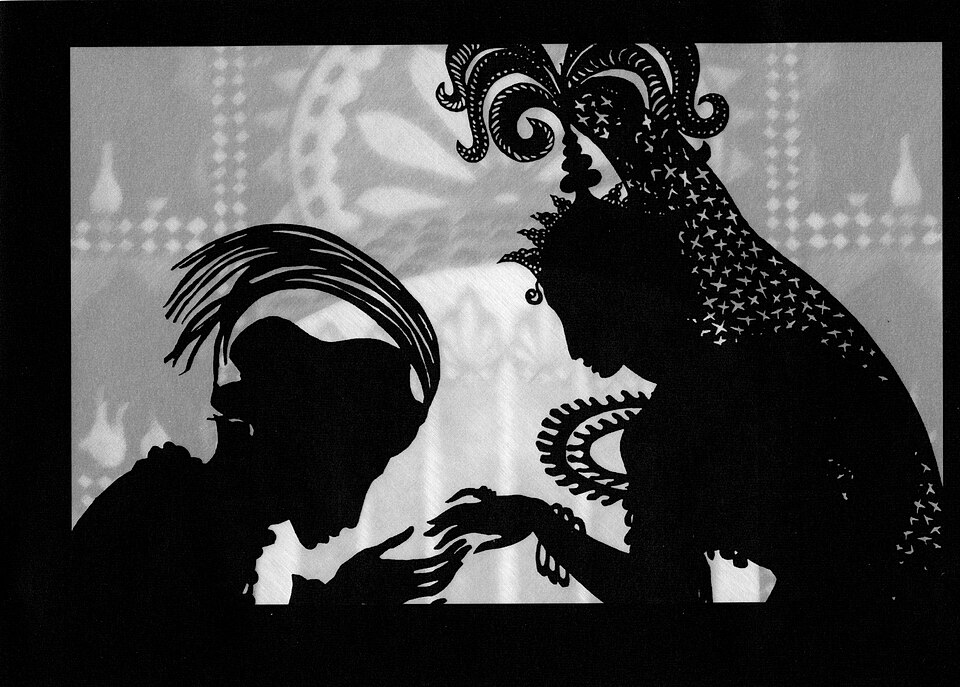
The oldest one we can still watch is The Adventures of Prince Achmed (1926), by the German artist Lotte Reiniger. She cut every character from black card and thin lead, with hinged joints, and moved them frame by frame on a glass table lit from below, with coloured tints added later. It took her and a small team about three years. The figures are only shadows, yet they act, and the film still looks modern. Her team also built an early camera with several layers of glass, ten years before Disney's.
06. Sound, colour and a mouse
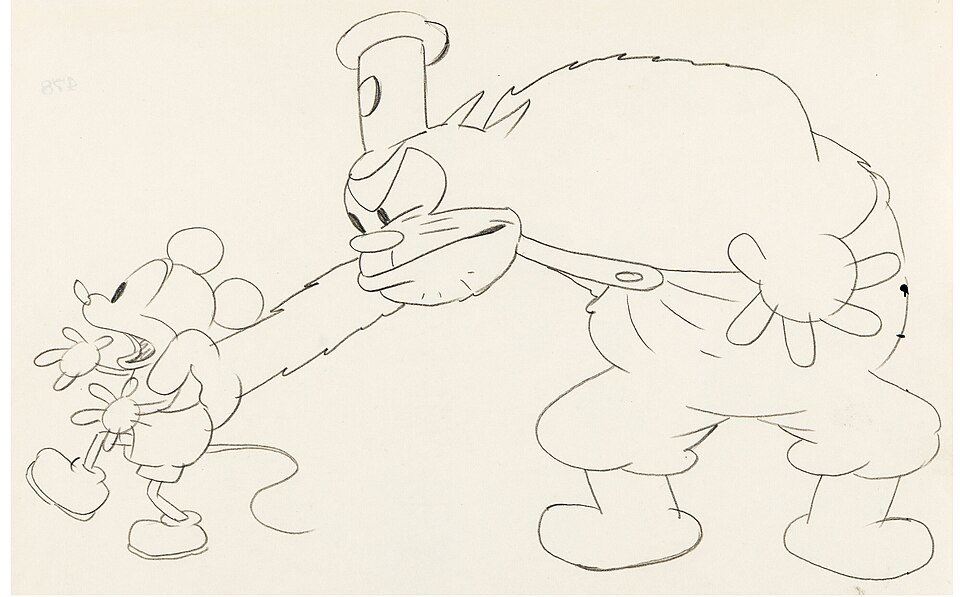
Walt Disney and Ub Iwerks had lost their first hit, Oswald the Lucky Rabbit, to their distributor. Their answer was a mouse. Steamboat Willie opened in New York on 18 November 1928, and it was not the first cartoon with sound (the Fleischers had made sing-along shorts years before), but it was the first where every action was timed to the music and the effects: Mickey plays a cow's teeth like a xylophone. Animators planned the sound beat by beat on exposure sheets before drawing anything. Mickey became the most famous character on the planet, and in 2024 this first version entered the public domain in the United States.
Colour came next. Flowers and Trees (1932), a Silly Symphony, was the first film released in full three-strip Technicolor, and won the first Oscar ever given to an animated short. Disney had signed an exclusive deal on the process for cartoons, and for a few years nobody else could match his colour.
07. Snow White and the multiplane camera
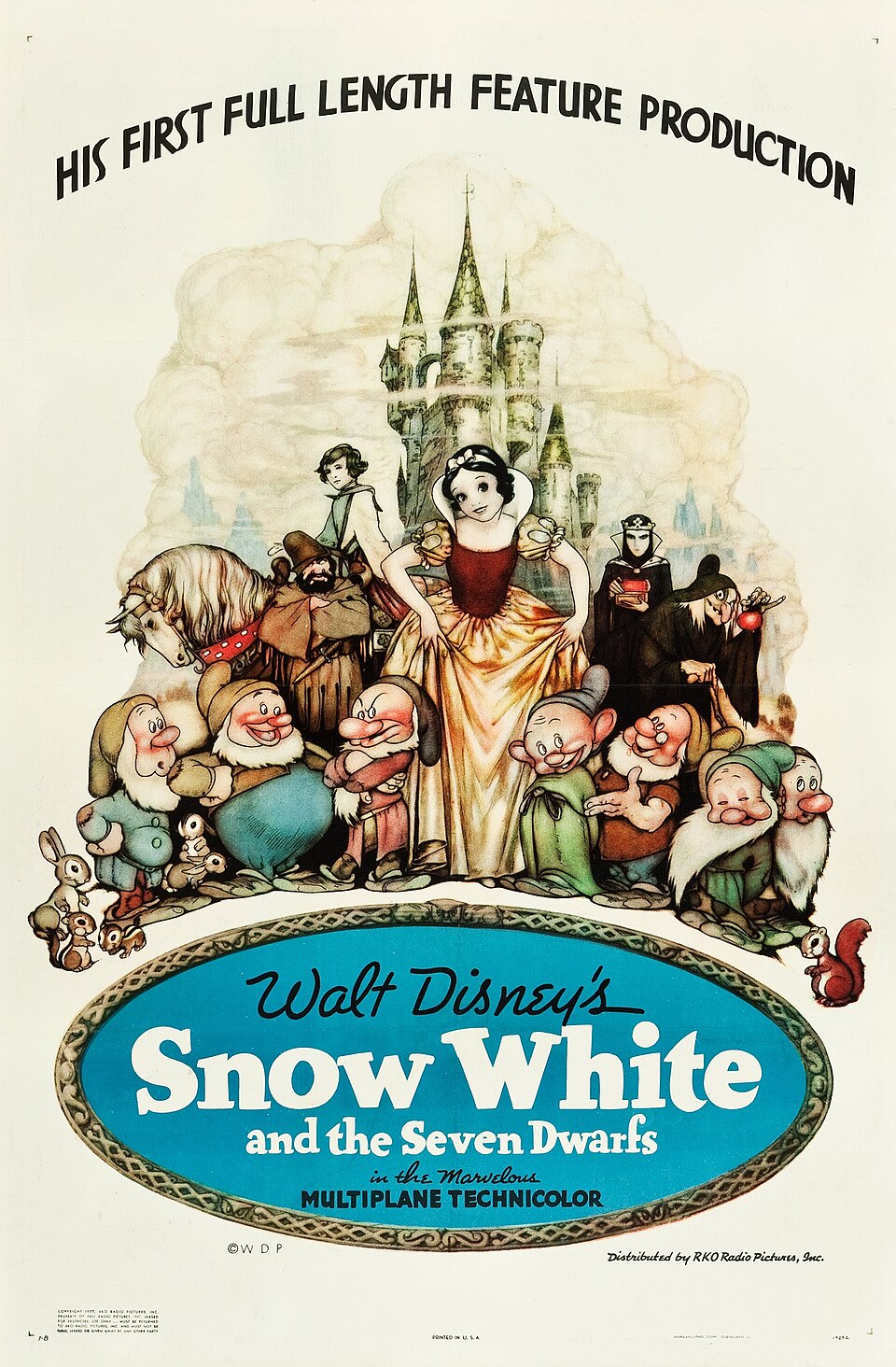
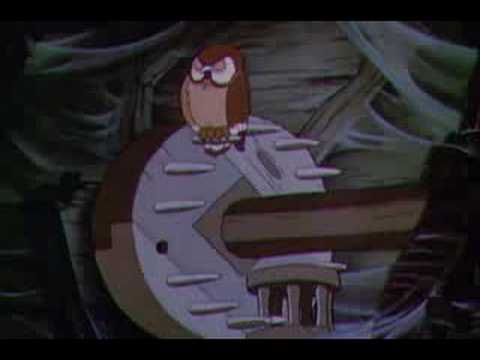
Hollywood called it "Disney's Folly": a cartoon of an hour and a half, which people would surely never sit through. Snow White and the Seven Dwarfs premiered on 21 December 1937. It cost about one and a half million dollars, several times its budget, and Walt Disney mortgaged his house to finish it. The audience cried at the dwarfs' grief, and it became the most successful film of its time. Disney received an honorary Oscar: one statuette and seven small ones.
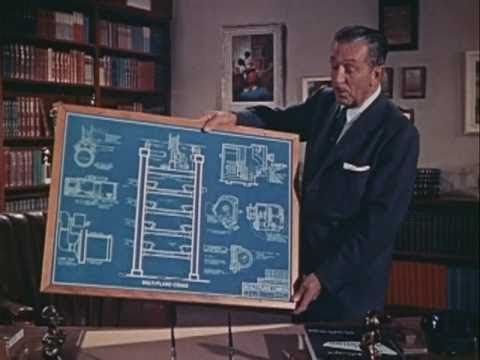
To give the forests depth, the studio built the multiplane camera: a tower about three metres high with backgrounds and characters painted on separate panes of glass, at different distances from a camera looking down. Move the camera in, and the near layers grow faster than the far ones, like in reality; light each layer separately, and the haze and focus change with distance. The short The Old Mill (1937) was its test, and won an Oscar. Pinocchio and Fantasia (both 1940) pushed it further: Fantasia was also the first film shown with stereo sound in cinemas, Disney's own Fantasound.
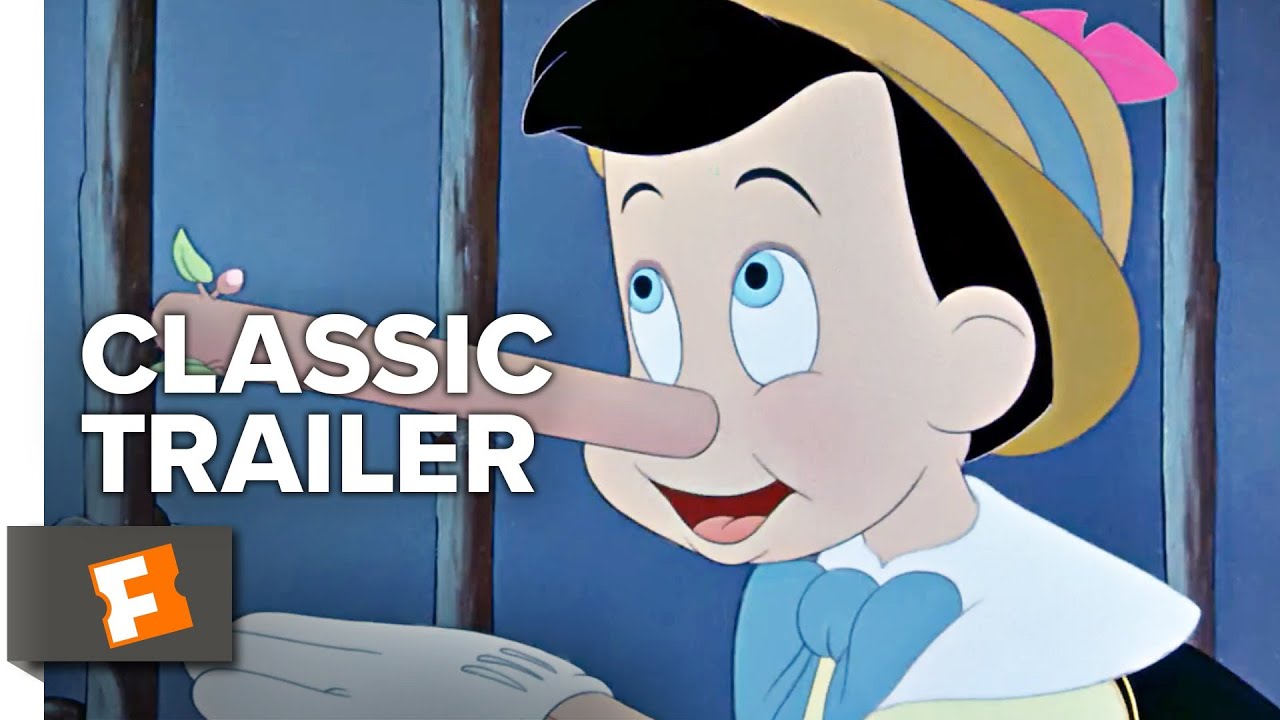
 Walt Disney introduces the multiplane camera
 1937: the making of Snow White (One Hundred Years of Cinema)
If you composite, you already know the multiplane: it is cards in 3D space and a camera moving through them, the way we build 2.5D matte paintings in Nuke.
08. The 12 principles, and a bouncing ball lab
The Disney animators of the 1930s worked out, by trial and error, what makes a drawing feel alive. Two of the "Nine Old Men", Frank Thomas and Ollie Johnston, wrote it down in 1981 in The Illusion of Life, and the list is still the first lesson in every animation school, 2D or 3D:
| principle | what it means |
|---|---|
| Squash and stretch | things flatten on impact and stretch when fast, keeping the same volume |
| Anticipation | a small movement the opposite way before the main action: a crouch before a jump |
| Staging | one clear idea at a time, readable as a silhouette |
| Straight ahead and pose to pose | draw frame after frame, or the key poses first and the gaps later |
| Follow through and overlapping action | hair, ears and clothes keep moving after the body stops |
| Slow in and slow out | more drawings near the poses, fewer in between: ease in and ease out |
| Arcs | living things move along curves, not straight lines |
| Secondary action | a smaller action that supports the main one, like whistling while walking |
| Timing | the number of frames an action takes gives it weight and mood |
| Exaggeration | push the action further than reality, so it reads stronger |
| Solid drawing | forms with volume, weight and balance in three dimensions |
| Appeal | a character you want to watch, hero or villain |
The bouncing ball is the first exercise because it holds four of them: timing, slow in and slow out, arcs and squash and stretch. Turn them on and off below. Watch the dots of the spacing: close together at the top of each bounce, where the ball slows down, far apart near the ground. Then try animating "on twos" (a new drawing every two frames, the standard of hand-drawn films) and "on fours", the look of cheap television.
frame 1 / 72
Everything in this lab is also in Nuke: keyframes with ease curves are in the Curve Editor, and stepped keys give you animation on twos. See animation in Nuke.
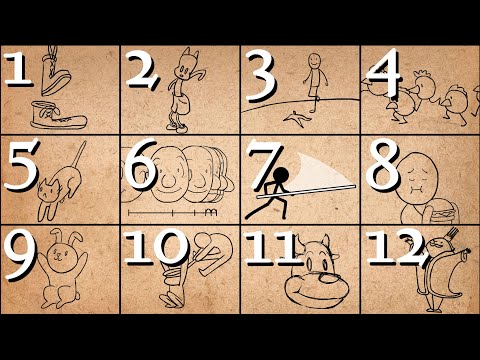 The 12 principles of animation (Alan Becker)
09. Fleischer, Warner Bros. and MGM
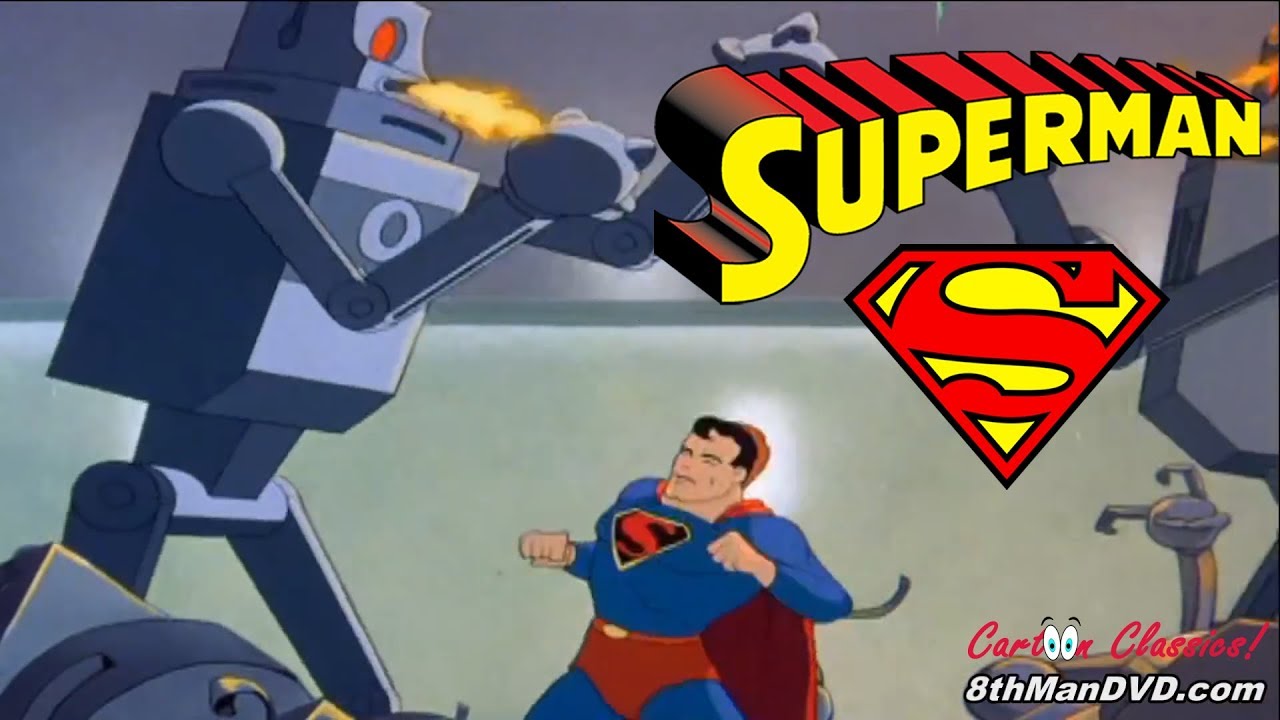
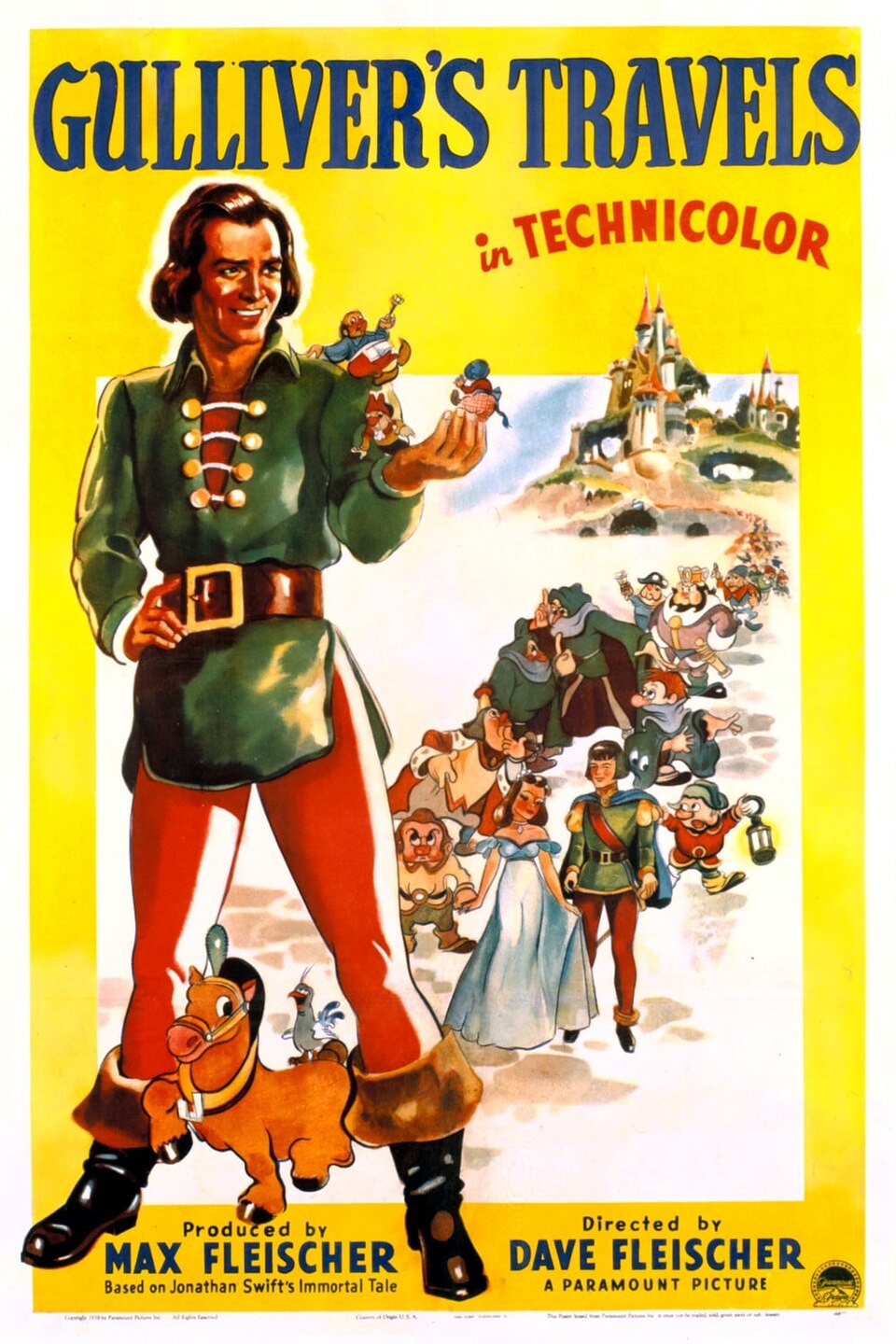
Disney was not alone. The Fleischer brothers answered with Betty Boop and Popeye: jazz, rubbery New York streets, surreal gags. Their "stereoptical" process put flat cels in front of real miniature sets on a turntable, for backgrounds with true depth. They made the second American cel-animated feature, Gulliver's Travels (1939), and then the Superman cartoons of 1941: rotoscoped heroes, art deco cities, dramatic lighting, made on a budget several times that of a normal short. They are still the template for action animation.
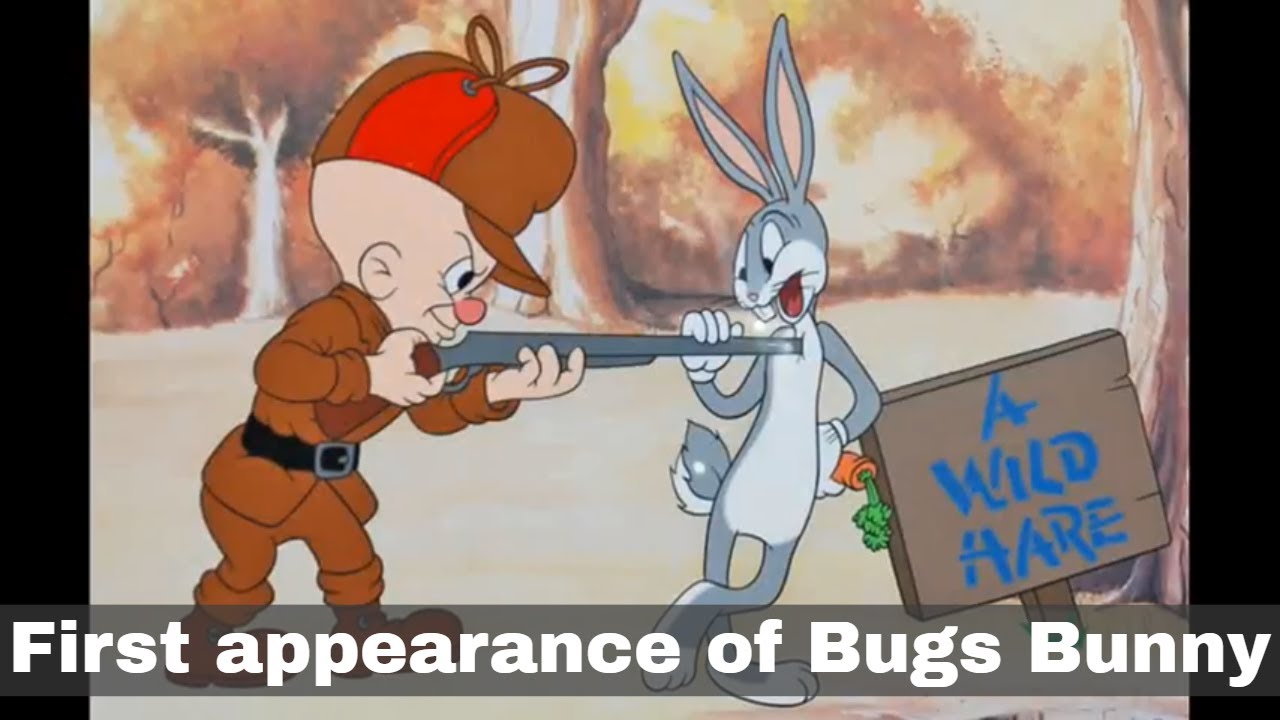
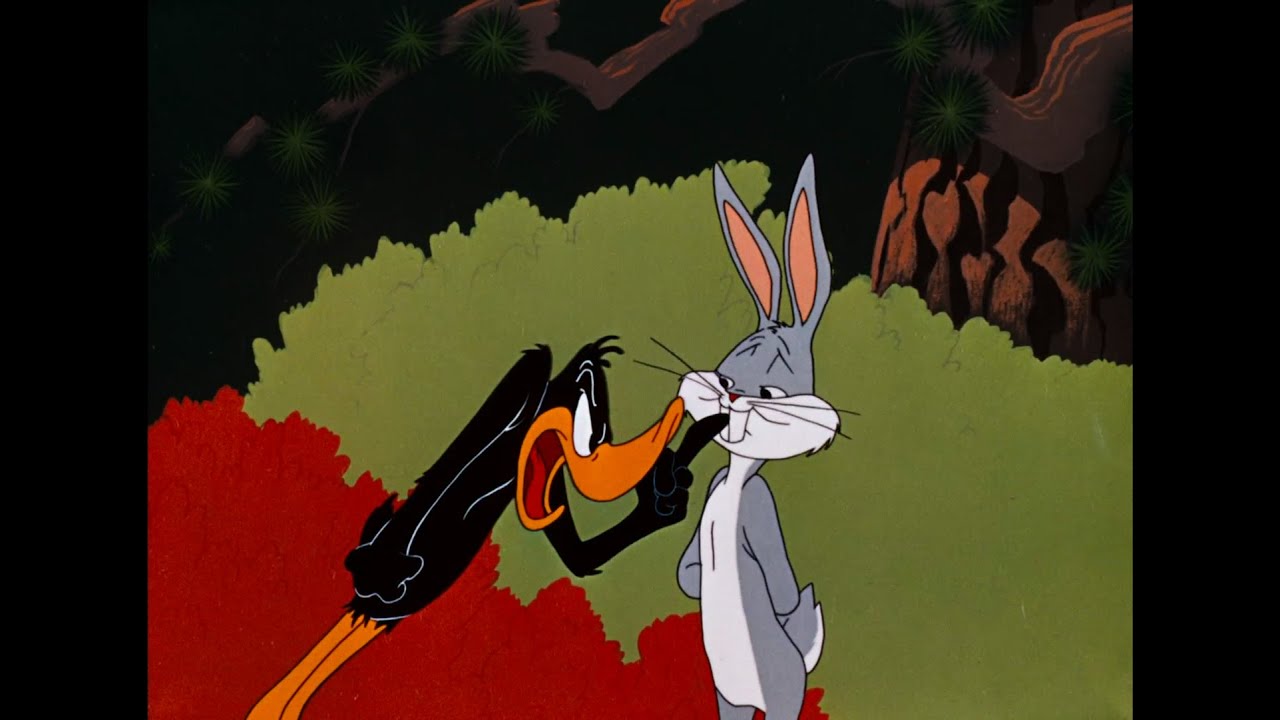
At Warner Bros., in a run-down bungalow nicknamed Termite Terrace, a group of young directors invented a faster, wilder cartoon: Tex Avery, Chuck Jones, Bob Clampett and Friz Freleng, with Mel Blanc doing almost every voice. Bugs Bunny's real debut is Avery's A Wild Hare (1940): "What's up, Doc?". Chuck Jones turned timing into an art. In Duck Amuck (1953) Daffy is tormented by the animator himself; What's Opera, Doc? (1957) is Wagner in seven minutes.
At MGM, William Hanna and Joseph Barbera made Tom and Jerry, which won seven Oscars, while Tex Avery, who moved there in 1941, pushed gags to the limit of the frame.
 Chuck Jones: the evolution of an artist (Every Frame a Painting)
 Superman: The Mechanical Monsters (Fleischer, 1941)
10. UPA, television and limited animation
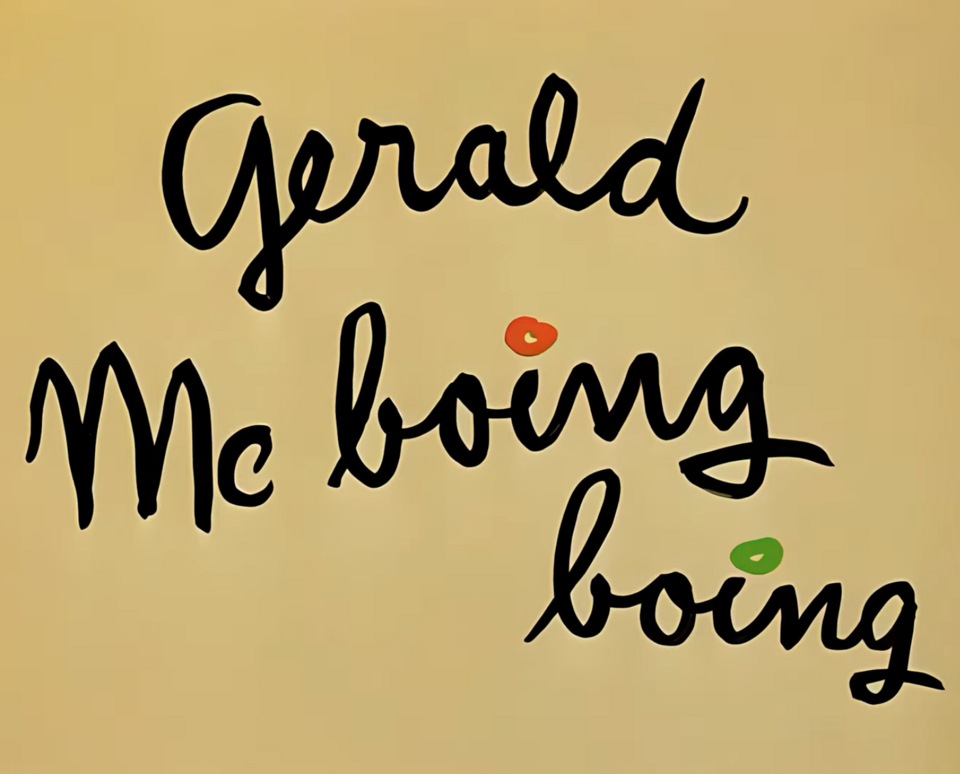
After the Disney strike of 1941, some of the artists who left founded UPA. They didn't want to copy Disney's realism: they wanted flat colours, graphic shapes and modern design, like the illustration and painting of their time. Gerald McBoing-Boing (1950), a boy who speaks only in sound effects, won the Oscar, and the look spread everywhere, Disney included.
UPA also showed that a good design needs fewer drawings. That idea, limited animation, was perfect for television, which needed hours of cartoons every week with tiny budgets. Hanna-Barbera, founded in 1957 after MGM closed its animation unit, built an industry on it: reused walk cycles, characters that move only their mouths, a collar line that separates the head from the body so only the head is redrawn. The Flintstones (1960) was the first animated series in American prime time.
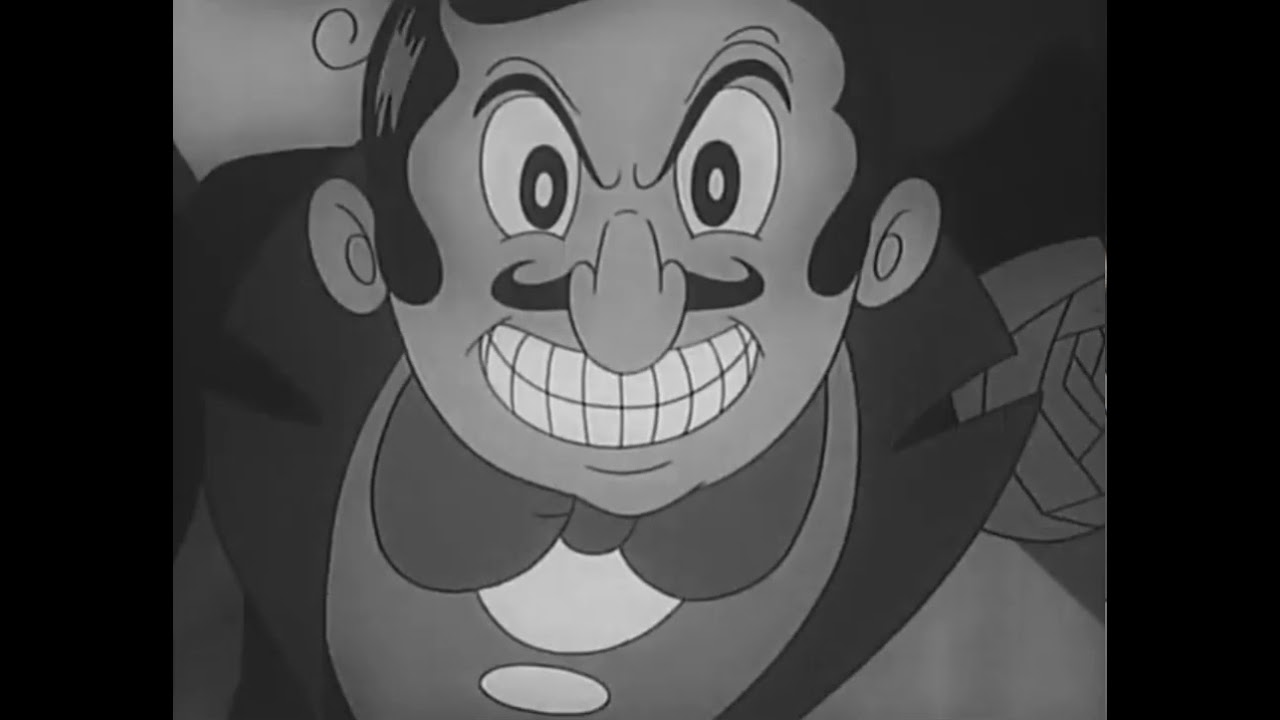
11. The xerox line: 101 Dalmatians
By the end of the 1950s, hand-inking every cel was too slow and too expensive, and Sleeping Beauty (1959) had lost money. Ub Iwerks, back at Disney as the studio's technical genius, adapted the new Xerox photocopier to print the animators' pencil drawings straight onto cels. After a test on the short Goliath II (1960), One Hundred and One Dalmatians (1961) was made almost entirely this way. Without xerography, the film's dogs and their spots (about six and a half million, by the studio's count) would never have been affordable.
The look changed too: the rough, sketchy pencil line of the animators reached the screen, and the backgrounds became graphic, with outlines printed over the colour. Walt Disney didn't love it. Many artists did, and the xerox line defines Disney's films for the next twenty years, from The Jungle Book to The Rescuers.
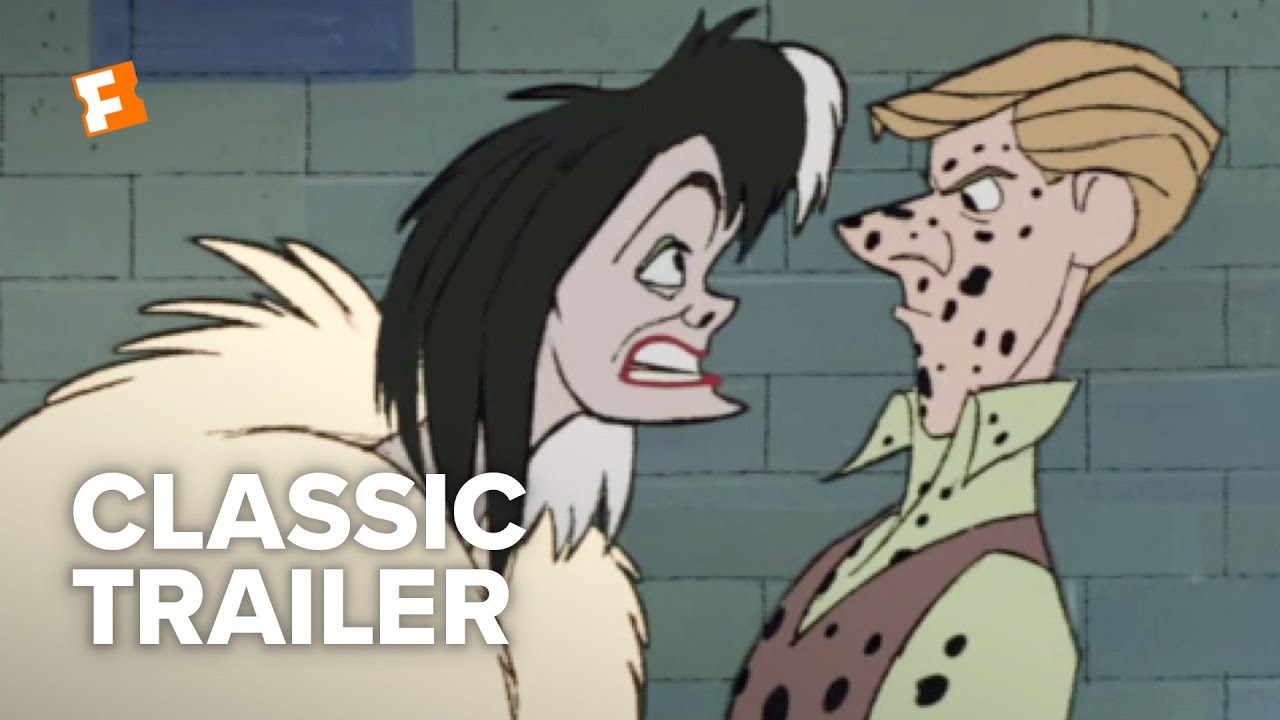
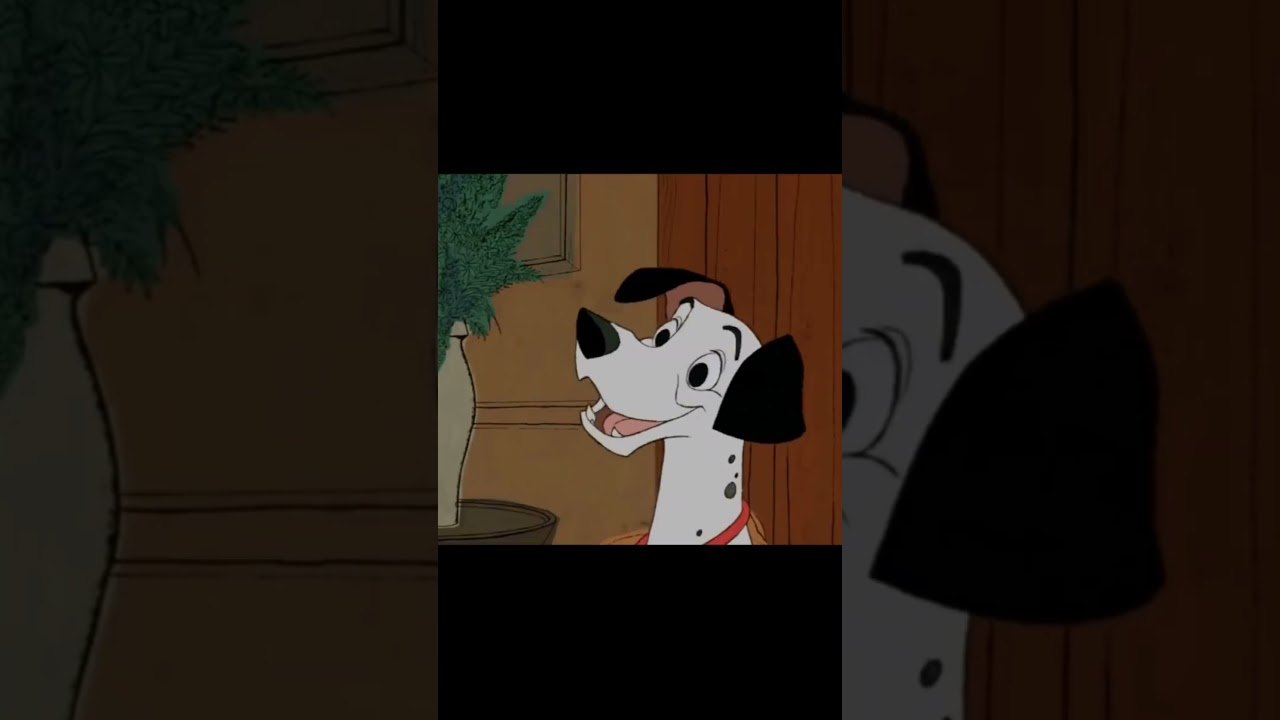
 101 Dalmatians and xerography
12. Stop motion: beetles, Kong, clay and 3D printers
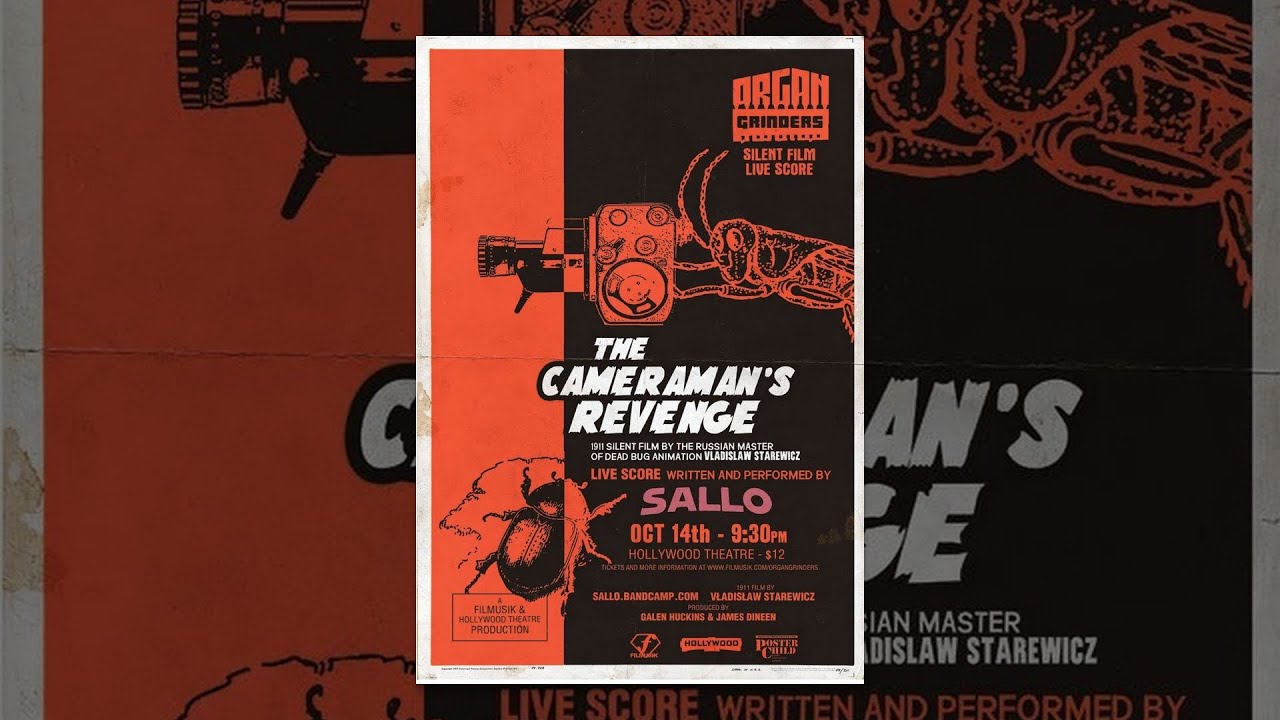
Stop motion is as old as drawn animation: move a real object, shoot a frame, move it again. In Russia, Ladislas Starewicz animated real dead beetles with wire legs; in The Cameraman's Revenge (1912) they cheat on each other and get filmed doing it. In America, Willis O'Brien brought dinosaurs to life in The Lost World (1925) and a giant ape in King Kong (1933), and his pupil Ray Harryhausen made it an art for thirty years. That branch of the story belongs to visual effects, and I tell it in my history of VFX.
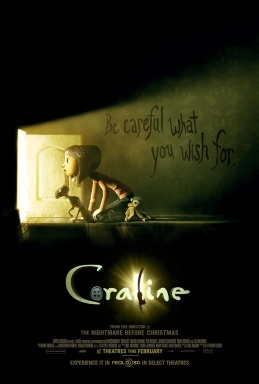
The other branch made whole films with puppets. Rankin/Bass made the TV special Rudolph the Red-Nosed Reindeer (1964). In Bristol, Aardman (founded in 1972) made plasticine act: Nick Park's Creature Comforts won the Oscar for short film in 1991, and Wallace & Gromit followed, up to The Curse of the Were-Rabbit, Oscar for best animated feature in 2006. Henry Selick directed The Nightmare Before Christmas (1993), produced by Tim Burton, and then Coraline (2009) for Laika, the Oregon studio that brought 3D printing into stop motion: thousands of printed replacement faces, swapped between frames, for expressions no clay could hold. Wes Anderson's Fantastic Mr. Fox and Guillermo del Toro's Pinocchio (Oscar in 2023) prove the technique is still alive.
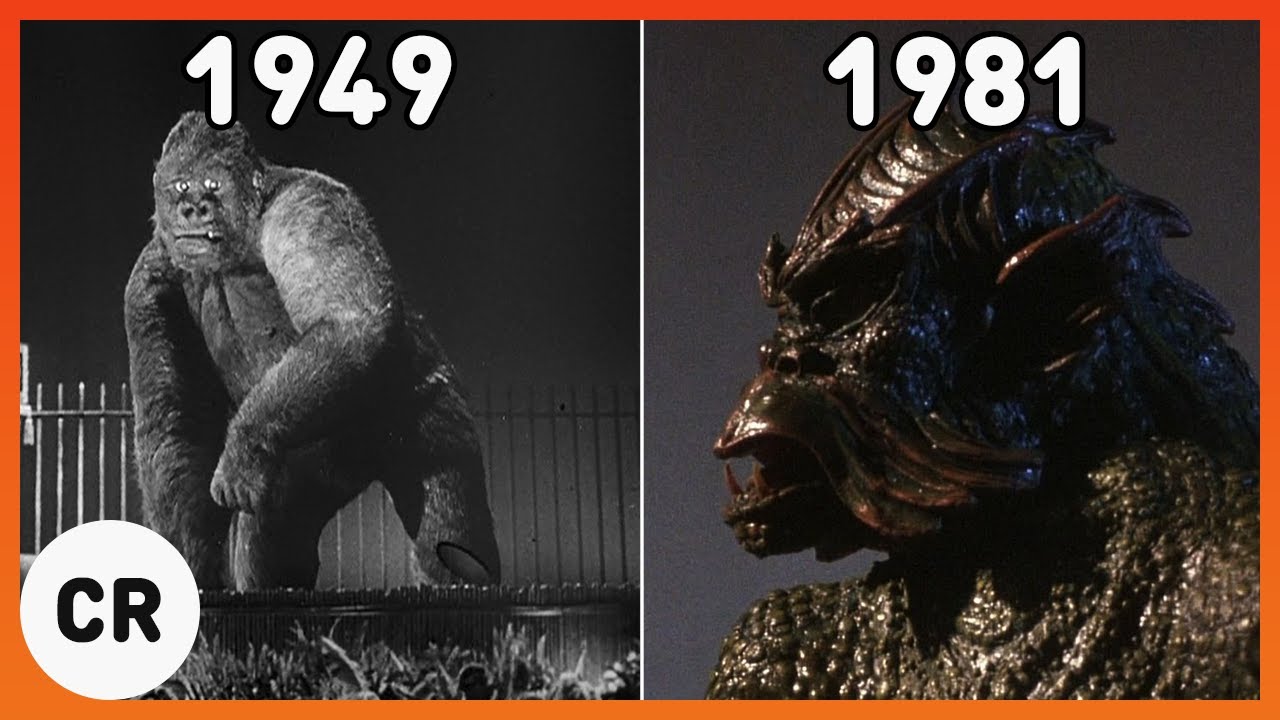
 How claymation movies are made (Insider)
 Missing Link: Laika's most advanced puppet
13. Anime: Tezuka, Akira and Studio Ghibli
Japan had made animated shorts since the 1910s. The modern industry starts with Toei Dōga, which in 1958 released The Tale of the White Serpent, the first Japanese feature in colour, with Disney as the model.
Then Osamu Tezuka, the most famous manga artist in Japan, wanted his comic Astro Boy on television every week. To afford it, from 1 January 1963, his studio Mushi Production cut the drawings to a minimum: still images with moving mouths, reused cycles, held poses, dramatic camera moves on single drawings. These limits became a style: the big eyes, the speed lines, the long dramatic pauses of anime come partly from there.
In 1988 two films showed the world what Japanese animation could do. Katsuhiro Otomo's Akira used well over a hundred thousand drawings, a palette of hundreds of colours for its night scenes, and dialogue recorded before the animation, rare in Japan then, so the mouths match. The same year Studio Ghibli, founded in 1985 by Hayao Miyazaki, Isao Takahata and producer Toshio Suzuki, released My Neighbor Totoro and Grave of the Fireflies together. Spirited Away (2001) won the Golden Bear in Berlin and the Oscar, and was the highest-grossing film ever in Japan for almost twenty years. Ghibli still draws by hand, with computers used for colour and compositing.
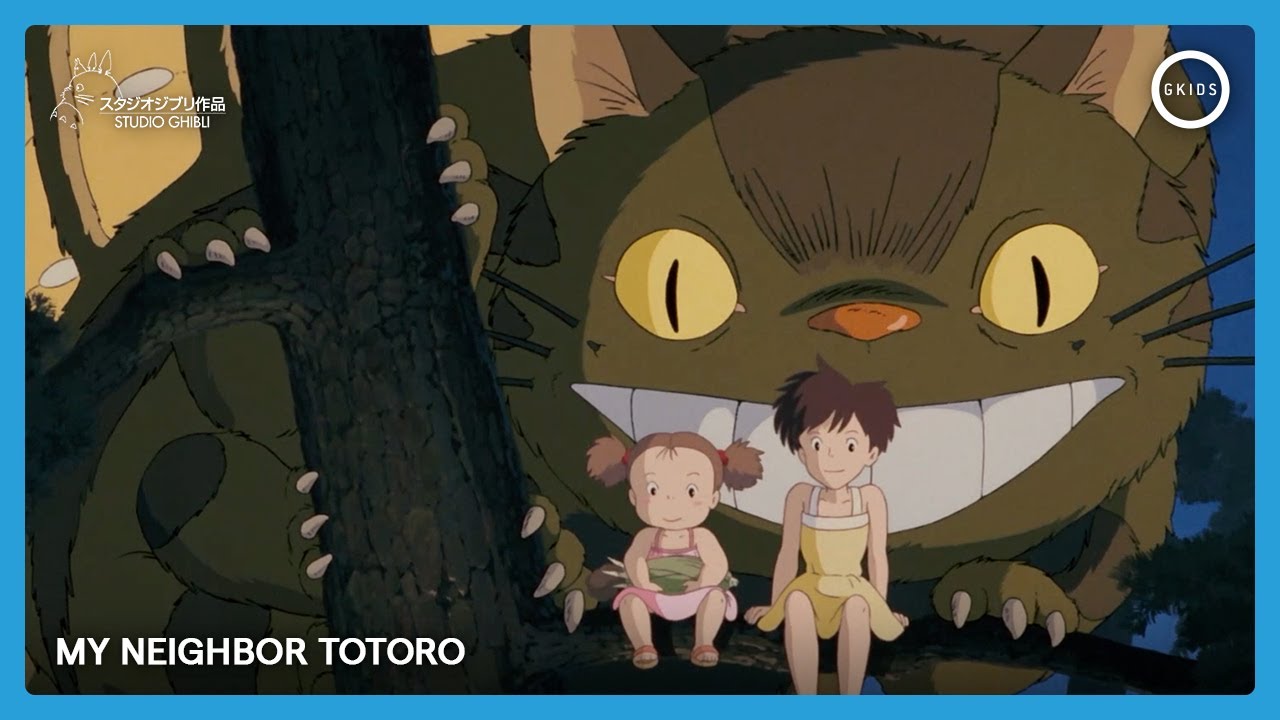
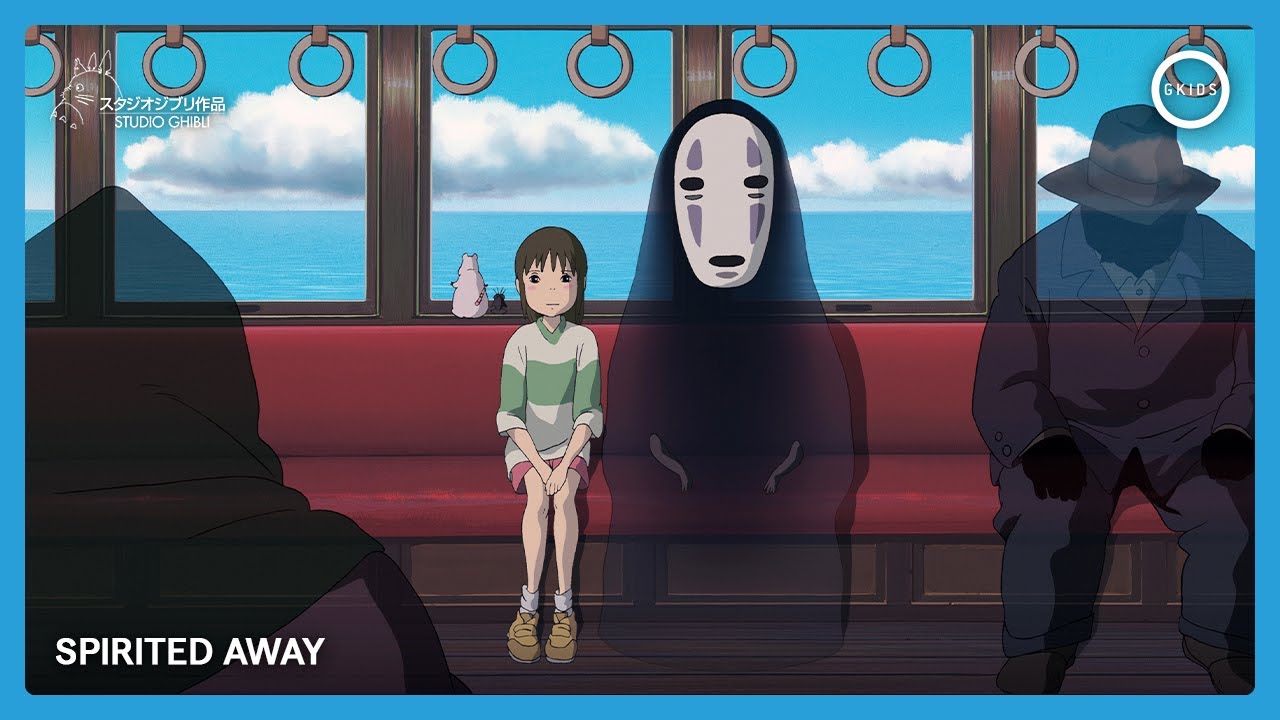
 The techniques that gave Akira its quality (CinemaTyler)
 Astro Boy, 1963: limited animation comes to Japan
14. The Disney renaissance and the digital ink-and-paint
In the 1980s Disney animation was in crisis: The Black Cauldron (1985) flopped, and Don Bluth, who had left with other animators, was making hits of his own. The comeback started with The Little Mermaid (1989): a Broadway-style musical by Howard Ashman and Alan Menken. It was the last Disney feature painted on cels by hand.
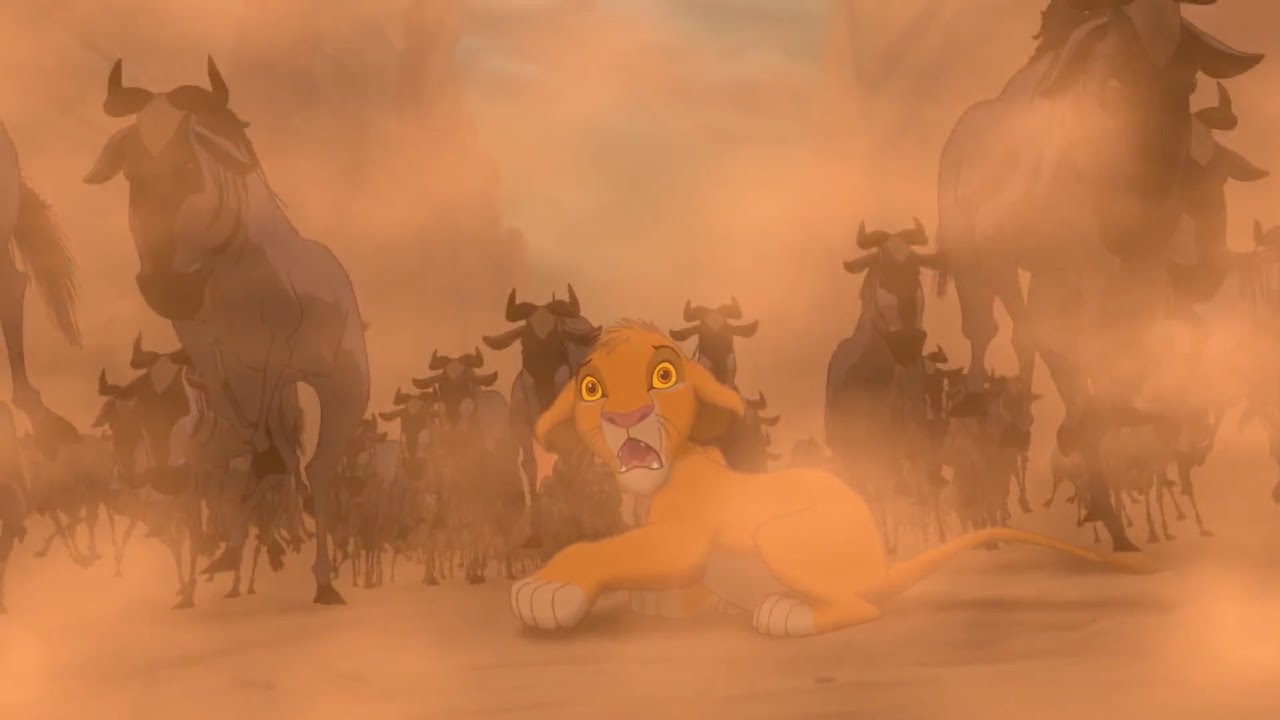
Its last shot was a test of CAPS, the Computer Animation Production System that Disney had developed with a small company called Pixar. Drawings were scanned, inked and painted digitally, and composited in the computer with unlimited layers, soft shadows, blurs and camera moves the multiplane could never do. The Rescuers Down Under (1990) was the first feature made entirely with it. CAPS made possible the ballroom of Beauty and the Beast (1991), with hand-drawn dancers in a CG room and a camera that flies around them, the first animated film nominated for Best Picture, and the CG wildebeest stampede of The Lion King (1994). Digital compositing came to animation at the same time as it came to live action.
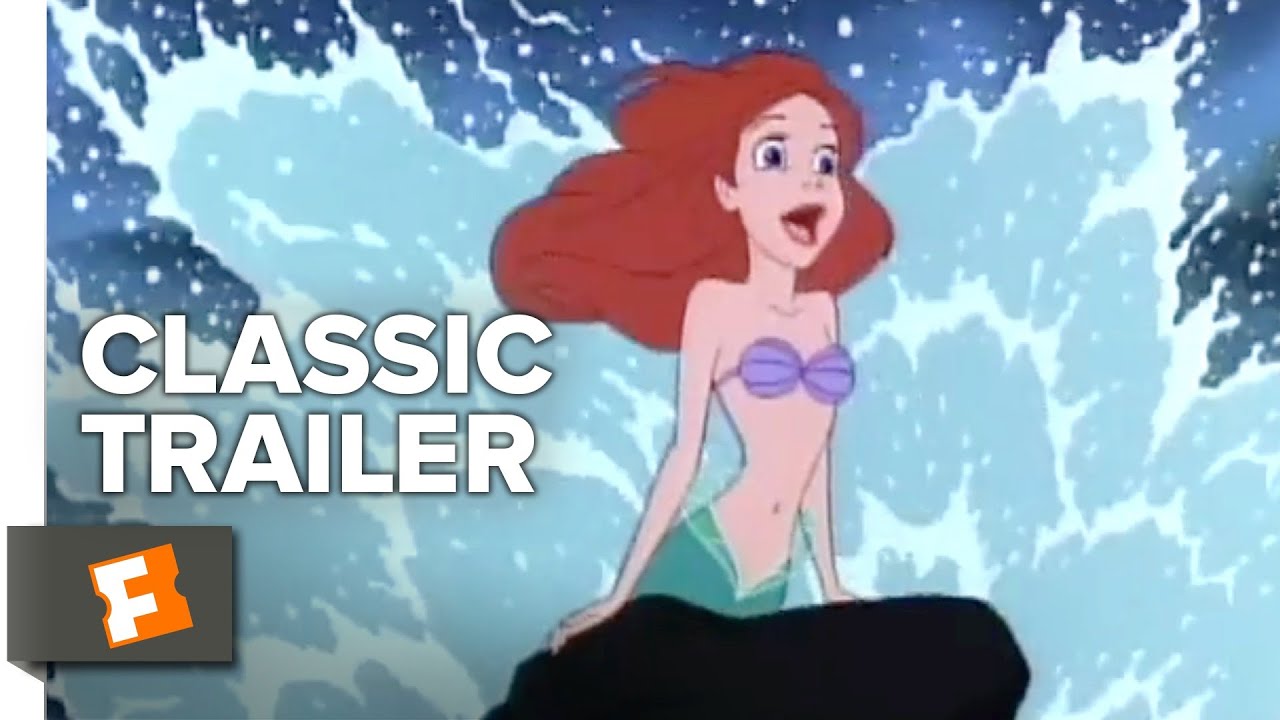
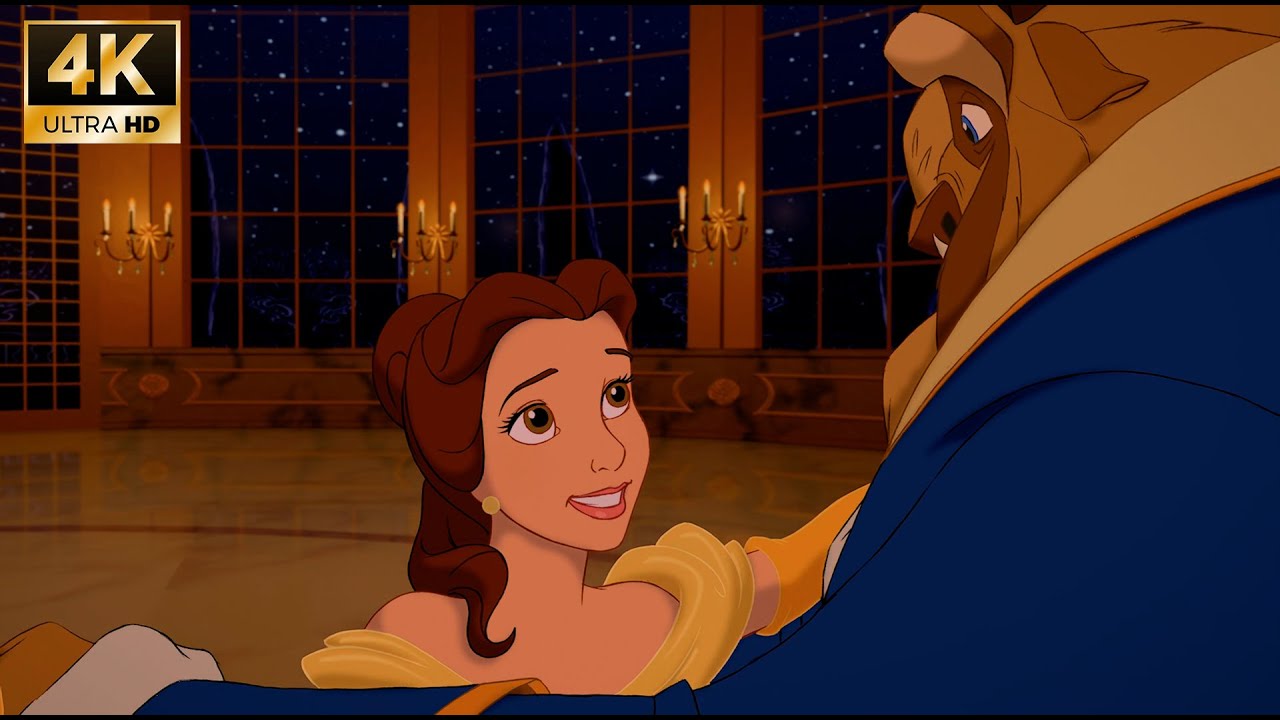
 Beauty and the Beast (1991): the ballroom scene
 The Lion King: the stampede
15. Computers learn to animate: from a hand to Toy Story
In 1972, at the University of Utah, Ed Catmull and Fred Parke made A Computer Animated Hand: a polygon model of Catmull's own hand that opens, closes and points at the camera. Catmull's dream was a feature film made entirely in a computer. It took him twenty-three years.
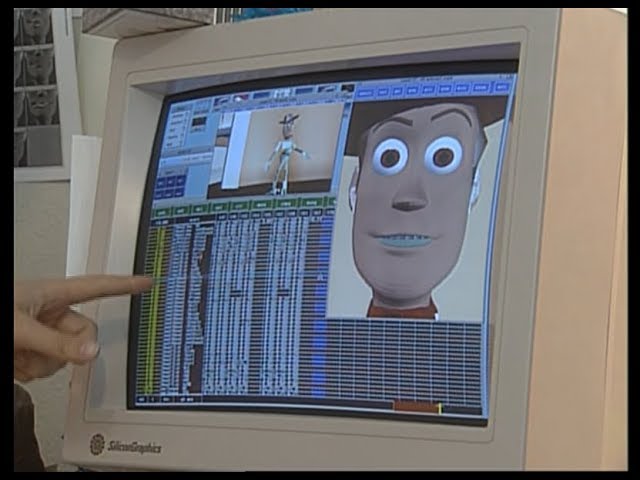
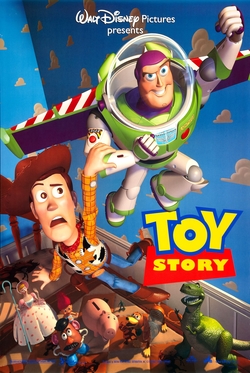
Lucasfilm hired him to run its computer division, where John Lasseter, a young animator fired by Disney, made The Adventures of André & Wally B. (1984). In 1986 Steve Jobs bought the division and called it Pixar. Lasseter's Luxo Jr. (1986), two desk lamps and a ball, proved that CG characters could have feelings, and was the first CG film nominated for an Oscar; Tin Toy (1988) was the first to win one. Pixar paid the bills by selling RenderMan and making commercials, until Toy Story (22 November 1995): the first feature made entirely with computer animation, more than a hundred thousand frames rendered on a farm of workstations.
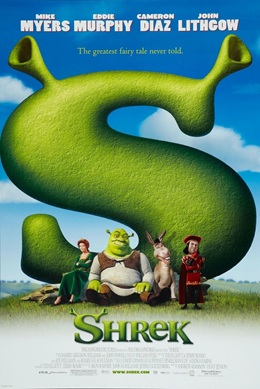
The others followed. DreamWorks and PDI made Antz (1998) and Shrek (2001), which won the first Oscar for Best Animated Feature. Blue Sky made Ice Age (2002). By 2004 Disney had closed its hand-drawn units, and Frozen (2013) became, for a while, the highest-grossing animated film ever. Most of these CG films are composited in Nuke, the same software I use for live action.

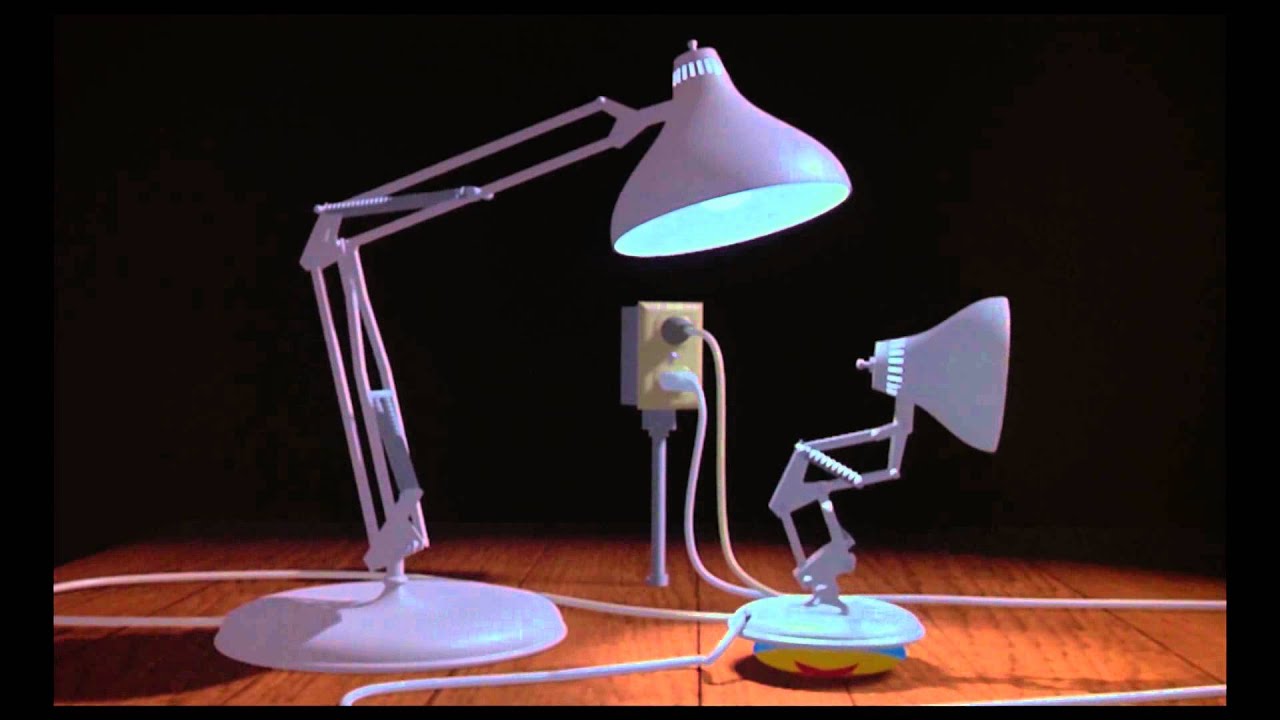
 Pixar: Luxo Jr. (Cooper Hewitt)
 How the characters of Toy Story were animated
The same computers were changing visual effects at the same time: Tron, the stained-glass knight, Jurassic Park. That half of the story is in my history of VFX.
16. When cartoons meet live action: Roger Rabbit
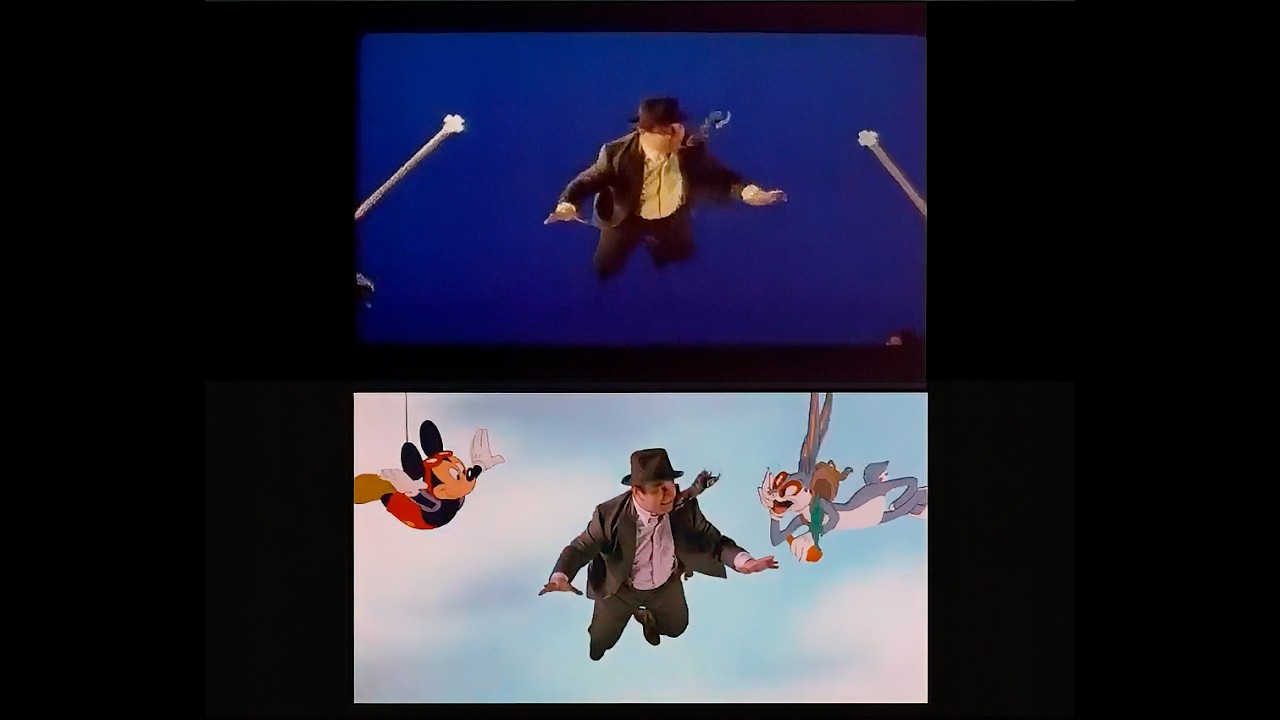
Cartoons and real actors had met before: McCay and Gertie, Gene Kelly dancing with Jerry the mouse in 1945, Mary Poppins in 1964. Who Framed Roger Rabbit (1988) did it on a scale nobody had tried. Robert Zemeckis shot the live action with a moving camera, as in a normal film. On set, puppeteers and rigs moved real objects for the toons who weren't there. Then Richard Williams's animators drew on enlarged prints of every frame, and ILM composited it all optically, adding light and shadows to the drawings so they sat inside the photography. The crew's motto was "bump the lamp": in one scene Eddie hits a swinging lamp, and the shadows on Roger had to swing with it.
It is also the only film where Mickey and Bugs share a scene, and Donald and Daffy play a piano duel: Disney and Warner agreed that each star would get exactly the same screen time. It won three Oscars, visual effects included, and a special one for Williams.
 Who Framed Roger Rabbit: VFX breakdown
Today the toons are CG creatures, and the job is the same: integrate them into the plate. See how Gollum did it in my history of VFX.
17. New looks: Paperman, Spider-Verse, Arcane, Flow
For twenty years, CG features tried to look more and more real, and more and more alike. Then the studios started to ask computers for a hand-made look, what researchers call non-photorealistic rendering.
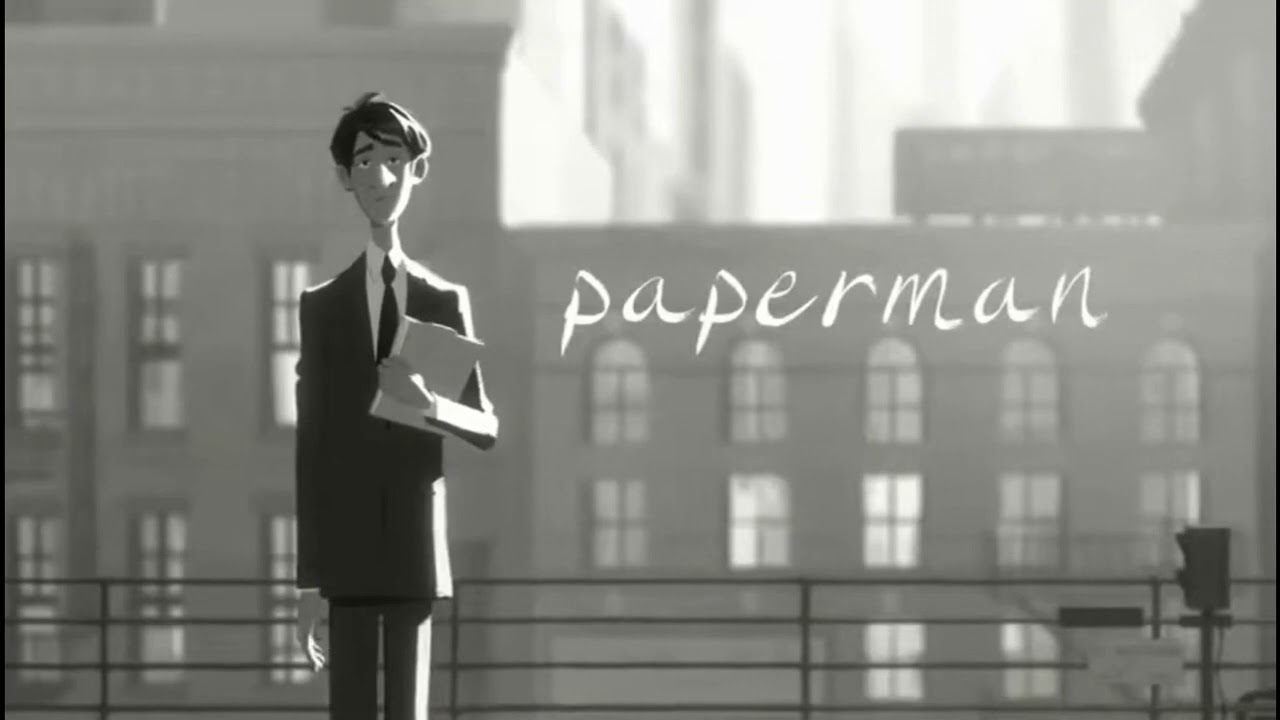
- Paperman (2012): Disney drew 2D lines over 3D animation with a tool called Meander, black and white, like a pencil test brought to life. It won the Oscar for short film.
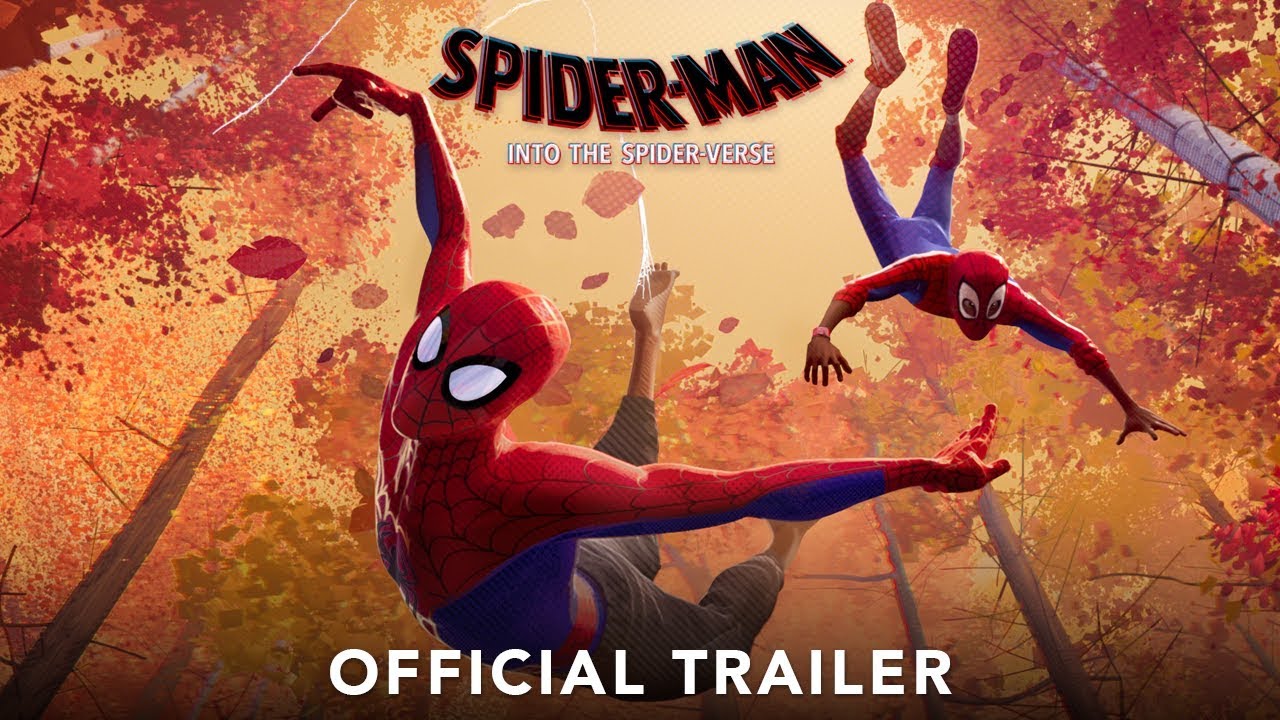
- Spider-Man: Into the Spider-Verse (2018): Sony Pictures Animation and Imageworks threw away the rules: characters animated on twos, comic-book halftone dots instead of soft shading, ink lines drawn on top of the renders (with the help of a machine-learning tool), offset colours instead of defocus. It won the Oscar and changed what studios dared to try.
- Arcane (2021): the French studio Fortiche mixed 3D characters with hand-painted textures and 2D effects drawn on top, and won the Emmy for best animated programme.
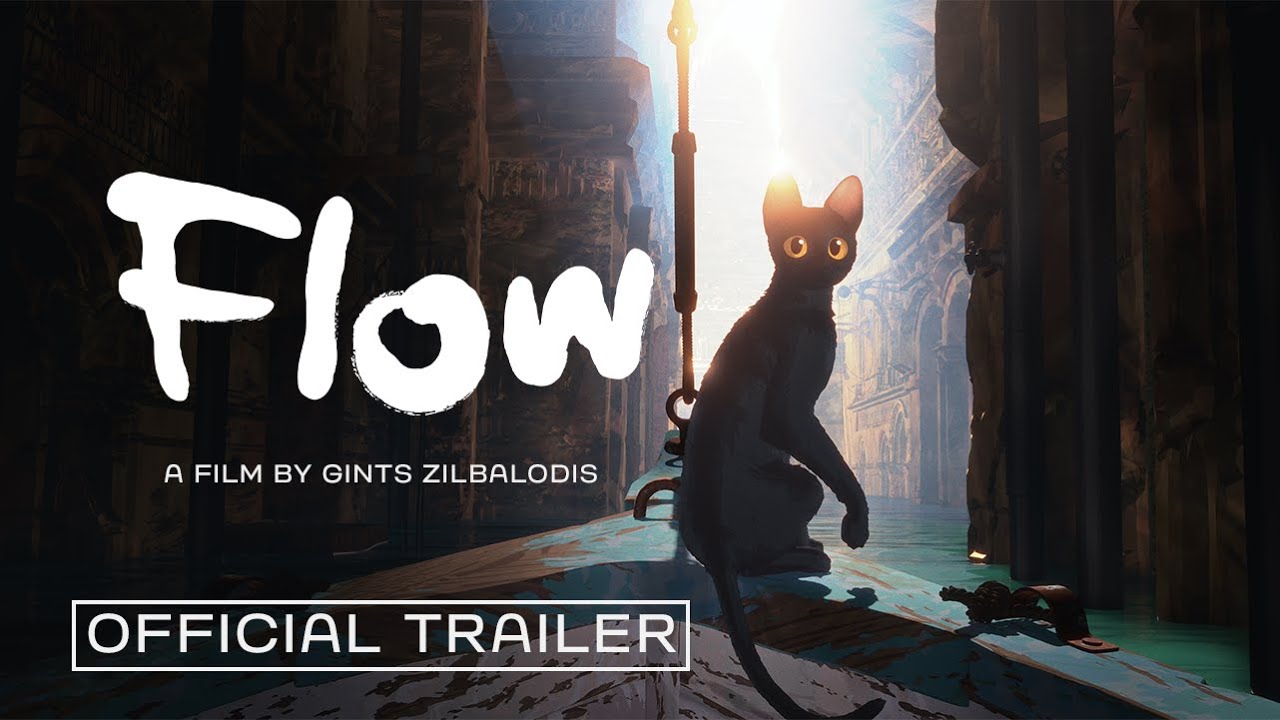
- Flow (2024): a cat, a flood, no dialogue. Gints Zilbalodis and a small team in Latvia made it in Blender, the free open-source software, rendered with its real-time engine Eevee. It won the Oscar for Best Animated Feature, the first ever for Latvia.
- KPop Demon Hunters (2025): Sony Pictures Animation for Netflix, with an anime and music-video look, became Netflix's most-watched film and won the Oscar in March 2026.

 How Spider-Verse forced animation to evolve (Vox)
 Arcane season 2: animating the hand-painted look (Foundry)
Hand-drawn animation never died: it lives in anime, in European features such as The Secret of Kells and Klaus, and in thousands of shorts. And the next change is already here: real-time engines and machine learning are entering animation the way they are entering VFX.
18. Every Oscar for Best Animated Feature
The Academy gave Oscars to animated shorts from 1932, and honorary awards to Snow White, Roger Rabbit and Toy Story, but a category for features only arrived with the films of 2001. Years are the year of the film; the ceremony is the following spring.
| year | film | studio | technique |
|---|---|---|---|
| 2001 | Shrek | DreamWorks, PDI | CG |
| 2002 | Spirited Away | Studio Ghibli | hand-drawn |
| 2003 | Finding Nemo | Pixar | CG |
| 2004 | The Incredibles | Pixar | CG |
| 2005 | Wallace & Gromit: The Curse of the Were-Rabbit | Aardman, DreamWorks | stop motion |
| 2006 | Happy Feet | Animal Logic | CG, motion capture |
| 2007 | Ratatouille | Pixar | CG |
| 2008 | WALL-E | Pixar | CG |
| 2009 | Up | Pixar | CG |
| 2010 | Toy Story 3 | Pixar | CG |
| 2011 | Rango | Nickelodeon, ILM | CG |
| 2012 | Brave | Pixar | CG |
| 2013 | Frozen | Walt Disney Animation Studios | CG |
| 2014 | Big Hero 6 | Walt Disney Animation Studios | CG |
| 2015 | Inside Out | Pixar | CG |
| 2016 | Zootopia | Walt Disney Animation Studios | CG |
| 2017 | Coco | Pixar | CG |
| 2018 | Spider-Man: Into the Spider-Verse | Sony Pictures Animation | CG, comic-book look |
| 2019 | Toy Story 4 | Pixar | CG |
| 2020 | Soul | Pixar | CG |
| 2021 | Encanto | Walt Disney Animation Studios | CG |
| 2022 | Guillermo del Toro's Pinocchio | Netflix, ShadowMachine | stop motion |
| 2023 | The Boy and the Heron | Studio Ghibli | hand-drawn |
| 2024 | Flow | Dream Well, Sacrebleu, Take Five | CG, Blender |
| 2025 | KPop Demon Hunters | Sony Pictures Animation | CG |
Count them: Pixar eleven, Disney four, Ghibli two, stop motion two. Only two hand-drawn films have won, both by Miyazaki.

19. Old tricks, new names
Animation solved many of the problems we still solve in compositing. Click a card to see what an old trick is called today.
20. Game: which came first?
Two moments of animation history: click the one that happened first. How long can your streak get?
Streak: 0 · Best: 0
21. Videos to watch
 The Story of AnimationA full documentary, from the first toys to CG.
 A brief history of animationWill Seymour Murphy.
 The history of animation: the styles explainedStudioBinder.
 Gertie the DinosaurWinsor McCay, 1914: the whole film.
 Walt Disney introduces the multiplane cameraWalt himself, with a model of the camera.
 1937: Snow White, the making of Walt's first masterpieceOne Hundred Years of Cinema.
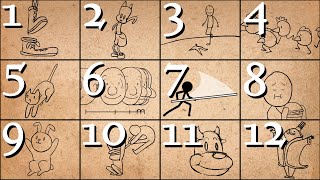 The 12 principles of animationAlan Becker, the full series.
 Superman: The Mechanical MonstersFleischer Studios, 1941.
 Chuck Jones: the evolution of an artistEvery Frame a Painting.
 The Boys from Termite TerraceA documentary on the Looney Tunes directors.
 101 Dalmatians and xerographyNight Owl Diary.
 Astro Boy, 1963: limited animation comes to JapanChurchill Media.
 The techniques that gave Akira its qualityCinemaTyler.
 The process behind Studio Ghibli's animationAnime Everyday.
 The evolution of Ray Harryhausen's stop motionFilm by film, from 1940 to 1981.
 How claymation movies are madeInsider, at Aardman.
 Missing Link: Laika's most advanced puppetLaika Studios.
 Pixar: Luxo Jr.Cooper Hewitt, Smithsonian Design Museum.
 A Computer Animated Hand (1972)Ed Catmull and Fred Parke, ACM SIGGRAPH.
 How the characters of Toy Story were animatedBehind the scenes, 1995.
 Who Framed Roger Rabbit: VFX breakdownPlate, animation and composite.
 How Spider-Verse forced animation to evolveVox.
 How animators created the Spider-VerseWIRED.
 Arcane season 2: animating the hand-painted lookFoundry.
 Flow, official trailerJanus Films.
22. Books on the history of animation
The links search each book on Amazon.
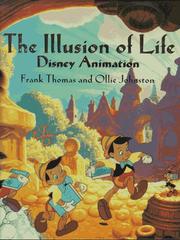 The Illusion of Life: Disney AnimationFrank Thomas, Ollie JohnstonThe 12 principles, from two of the men who found them.
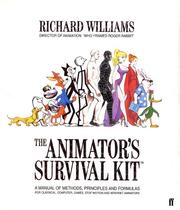 The Animator's Survival KitRichard WilliamsWalks, runs, timing and spacing, by the animation director of Roger Rabbit.
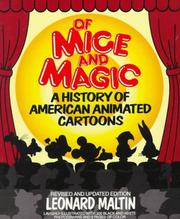 Of Mice and MagicLeonard MaltinA history of American cartoons, studio by studio.
 Animation: A World HistoryGiannalberto BendazziThree volumes, every country, by an Italian historian.
 Cartoons: One Hundred Years of Cinema AnimationGiannalberto BendazziThe one-volume version, still a classic.
 Winsor McCay: His Life and ArtJohn CanemakerLittle Nemo, Gertie, and the man who drew them.
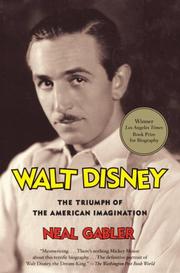 Walt Disney: The Triumph of the American ImaginationNeal GablerThe biography, from Kansas City to Disneyland.
 Chuck AmuckChuck JonesThe life of the director of Bugs, Daffy and the Road Runner, in his own words.
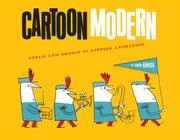 Cartoon Modern: Style and Design in Fifties AnimationAmid AmidiUPA and the modern design of the 1950s.
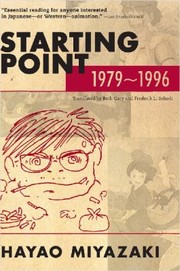 Starting Point: 1979-1996Hayao MiyazakiEssays and interviews, up to Princess Mononoke.
 To Infinity and Beyond! The Story of Pixar Animation StudiosKaren PaikFrom the Lucasfilm years to Ratatouille.
 Spider-Man: Into the Spider-Verse, The Art of the MovieRamin ZahedHow the comic-book look was designed.
For the Pixar story told by its founder, Creativity, Inc. by Ed Catmull is in my VFX history books.
23. Sources and image credits
- History of animation
- Phenakistiscope
- Théâtre Optique
- Fantasmagorie (1908)
- Gertie the Dinosaur
- Traditional animation: cels, ink and paint, xerography
- Rotoscoping
- The Adventures of Prince Achmed
- Steamboat Willie
- Snow White and the Seven Dwarfs
- Multiplane camera
- The twelve basic principles of animation
- Limited animation
- One Hundred and One Dalmatians
- Stop motion
- History of anime
- CAPS, the Computer Animation Production System
- Toy Story
- Who Framed Roger Rabbit
- Flow (2024)
- Academy Award for Best Animated Feature
- Image: phenakistiscope, University of Edinburgh, CC BY 3.0
- Image: zoetrope, Wikimedia Commons
- Image: praxinoscope, Sukkoria, CC BY-SA 4.0
- Image: Prince Achmed silhouettes, CC BY-SA 4.0
- Film stills, posters and video frames belong to their studios and are shown here for commentary and history. Public domain images come from Wikimedia Commons.